

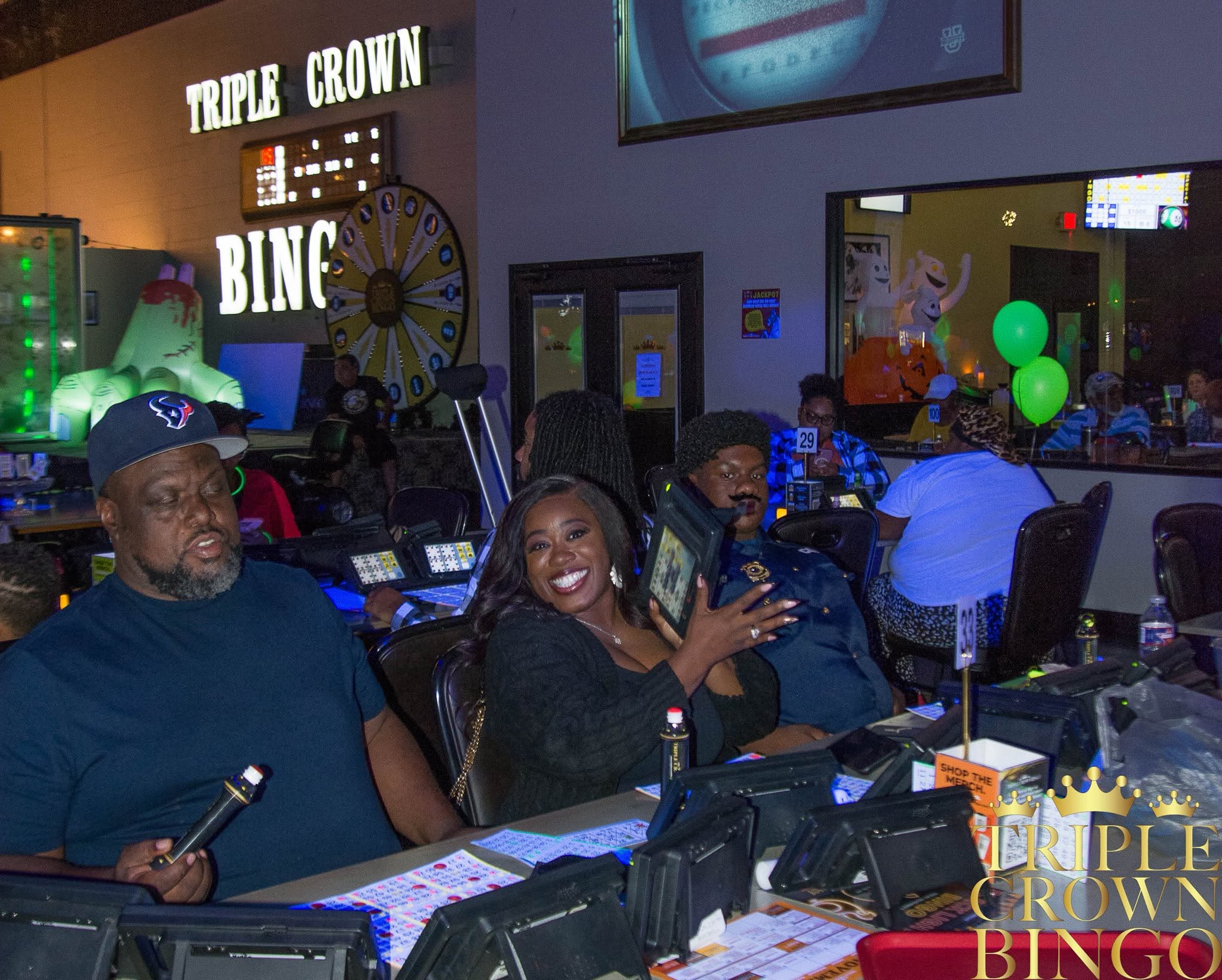
A bingo fundraiser is one of the simplest ways to bring people together, support a good cause, and create a fun community event that feels welcoming instead of complicated. Whether you are planning a charity bingo night, a school bingo fundraiser, a church bingo event, or a community game night, the formula is straightforward: choose a cause, prepare the game, invite supporters, offer prizes, and make it easy for guests to participate.
For Triple Crown Bingo, where bingo is already connected with entertainment, community, and charitable support, this topic fits naturally. A successful bingo fundraising event is not only about calling numbers and handing out prizes. It is about creating an organized experience where attendees understand the purpose, enjoy the atmosphere, and feel motivated to support the cause.
What Is a Bingo Fundraiser?
A bingo fundraiser is a fundraising event where people buy tickets, bingo cards, or entries to play bingo, with proceeds supporting a nonprofit organization, school, church, youth program, community group, or local charity. It can be held in a bingo hall, school gym, church hall, community center, event venue, restaurant, or another approved location.
The appeal is simple: bingo is easy to learn, social, affordable, and suitable for many age groups. Unlike complex fundraising events, a bingo night fundraiser does not require guests to understand a long program. Players listen for numbers, mark their cards, enjoy the excitement, and support a meaningful cause.
Why Bingo Works Well for Fundraising
Bingo works because it combines entertainment with purpose. Guests are not only making a donation; they are joining a lively event with prizes, conversation, food, raffles, and community energy. For organizers, bingo fundraising can also create several revenue streams, including ticket sales, extra bingo cards, raffle tickets, food and drink sales, sponsorships, donation tables, and special game rounds.
A well-planned charity bingo night can also attract people who may not attend a formal gala or auction. Families, regular bingo players, local supporters, volunteers, and community members can all take part without feeling pressured. That makes bingo a strong option for both first-time fundraisers and experienced event teams.
Step 1: Set a Clear Fundraising Goal
Before choosing a venue or printing bingo cards, define the purpose of the event. Are you raising money for a school project, local charity, youth sports team, church program, medical need, scholarship fund, or community outreach effort?
Set a realistic fundraising goal and connect it to a visible outcome. For example, instead of saying “we want to raise money,” say “we want to raise funds for new youth program supplies” or “we are supporting local community services.” A clear goal helps shape ticket pricing, prize value, sponsorship packages, and promotional messages.
Step 2: Check Local Bingo Rules and Requirements
Because bingo can be considered charitable gaming, local rules matter. Requirements may depend on your state, city, organization type, venue, prize value, and whether money is collected through tickets, cards, raffles, or donations.
Before promoting your bingo fundraiser, check with the relevant local authority, gaming commission, licensing office, or venue manager. Ask whether you need a bingo license, charitable gaming permit, raffle permit, or specific recordkeeping process. This step protects your organization and helps build trust with players, donors, and sponsors.
Step 3: Choose the Right Venue
The best venue for a bingo fundraiser is accessible, comfortable, and easy to manage. Common options include a community center, school hall, church hall, senior center, event room, restaurant space, or local bingo venue. If you are planning a Houston bingo fundraiser or a Texas charity bingo event, choose a location that is familiar to local players and convenient for your audience.
Look for enough seating, good lighting, clear sound, parking, restrooms, check-in space, and a visible prize table. If your audience includes older adults or families, accessibility and comfort should be top priorities.
Step 4: Build Your Volunteer Team
A smooth bingo night depends on reliable volunteers. Assign roles before the event so everyone knows what to do. You may need a bingo caller, check-in team, card sellers, raffle ticket sellers, prize table helpers, food and drink volunteers, floor assistants, cleanup support, and someone to manage donations or payments.
The bingo caller is especially important. A confident caller keeps the pace moving, explains the rules, announces prizes, handles tie situations, and keeps the room engaged. Give the caller a printed run sheet with game order, winning patterns, prize details, and special announcements.
Step 5: Gather Bingo Supplies and Equipment
Your bingo fundraiser supplies checklist should include bingo cards, dabbers or markers, bingo balls or a digital number generator, a caller sheet, printed rules, prize labels, raffle tickets, pens, tables, chairs, a microphone, speakers, and signage.
For larger events, consider a projector, display board, registration table, donation box, QR code donation signs, sponsor banners, and extra cards. Always prepare backup supplies. Running out of cards, markers, or printed rules can slow down the event and affect the guest experience.
Step 6: Plan Game Rules, Rounds, and Prizes
Decide how many bingo rounds you will play and what winning patterns you will use. Standard options include one line, two lines, four corners, full house, blackout bingo, themed rounds, and speed bingo. Keep the rules simple enough for beginners but varied enough to keep regular players interested.
Prizes do not always need to be cash. Popular bingo fundraiser prizes include gift cards, donated baskets, restaurant vouchers, family activity packages, local business certificates, merchandise, food hampers, and sponsored prize bundles. Use small prizes for early rounds and a stronger grand prize for the final game.
Step 7: Set Ticket Pricing and Donation Options
Your ticket pricing should balance affordability with fundraising goals. You can charge a general entry fee that includes a set number of bingo cards, then sell extra cards, special round entries, raffle tickets, or VIP bundles.
Common add-ons include food sales, drink sales, merchandise, silent auction items, sponsor tables, 50/50 raffle tickets, and donation stations. QR code donations and text reminders can also help guests give quickly during the event. Make sure every revenue option is clearly explained so attendees know what they are buying and how it supports the cause.
Step 8: Promote Your Bingo Night Fundraiser
Promotion should begin several weeks before the event. Use social media posts, email invitations, SMS reminders, community flyers, local bulletin boards, school newsletters, church announcements, sponsor pages, and word of mouth.
Your promotional copy should include the cause, date, time, venue, ticket price, prize highlights, age or attendance details, and how to buy tickets. Use phrases people naturally search for, such as charity bingo night, bingo fundraiser, community bingo event, school bingo fundraiser, church bingo night, and bingo night fundraiser.
Step 9: Run the Event With a Clear Schedule
On event day, arrive early for setup. Place signs at the entrance, organize check-in, test the microphone, arrange the prize table, brief volunteers, and prepare the first round. Start by welcoming guests, explaining the cause, reviewing the rules, and thanking sponsors.
Keep the event moving. Avoid long delays between rounds, announce winners clearly, verify winning cards, and remind guests about raffles, food, donations, and upcoming games. A good bingo fundraising event feels organized but relaxed.
Step 10: Follow Up After the Event
After the fundraiser, thank everyone who helped. Send thank-you messages to donors, sponsors, volunteers, attendees, and prize contributors. Share photos, announce the fundraising total if appropriate, and explain how the money will support the cause.
This follow-up builds donor trust and makes it easier to promote your next event. A bingo fundraiser should not end when the last number is called. It should create stronger community relationships and future support.
Final Thoughts
Bingo for fundraising works because it is simple, social, and purpose-driven. With the right venue, clear rules, strong prizes, smart ticket pricing, active promotion, and a prepared volunteer team, your bingo fundraiser can become more than a one-night event. It can strengthen community support, raise meaningful funds, and give attendees a reason to come back.
For local players and organizations, Triple Crown Bingo represents the type of community-centered bingo atmosphere that makes charity bingo nights memorable. When people gather around the game with a shared cause, every card, every call, and every win can help support something bigger.
FAQs
How do you organize a bingo fundraiser?
Start by setting a fundraising goal, choosing a date and venue, checking local bingo rules, and building a volunteer team. Then plan ticket pricing, prizes, supplies, promotion, event-day roles, and follow-up messages so attendees know the cause and how to support it.
Do you need a license to host a bingo fundraiser?
In many places, bingo fundraisers are treated as charitable gaming, so rules vary by state, city, venue, prize value, and organization type. Before selling tickets or cards, contact the local gaming authority or licensing office and confirm what permits apply.
How much should you charge for a bingo fundraiser?
A common approach is to charge an entry fee that includes basic cards, then offer extra cards, special rounds, raffles, food, or sponsor-backed prizes. Keep pricing affordable for families while making sure ticket revenue covers supplies, venue costs, and fundraising goals.
What supplies do you need for a bingo fundraiser?
Plan for bingo cards, dabbers or markers, a number caller, bingo balls or a digital number generator, printed rules, prize table signs, microphones, seating, registration materials, donation options, and extra supplies in case more guests arrive than expected.
How do you make a bingo fundraiser successful?
Success comes from clear planning and a lively guest experience. Promote early, explain the cause, use simple rules, choose appealing prizes, keep the caller energetic, offer add-on donations, and thank attendees, sponsors, and volunteers after the event.
Can you host a bingo fundraiser online?
Online bingo fundraisers can work when local rules allow them and the organizer uses digital cards, virtual number calling, secure payments, and clear instructions for participation. Because online charitable gaming may be subject to stricter regulations, always confirm compliance before promoting a virtual event.