
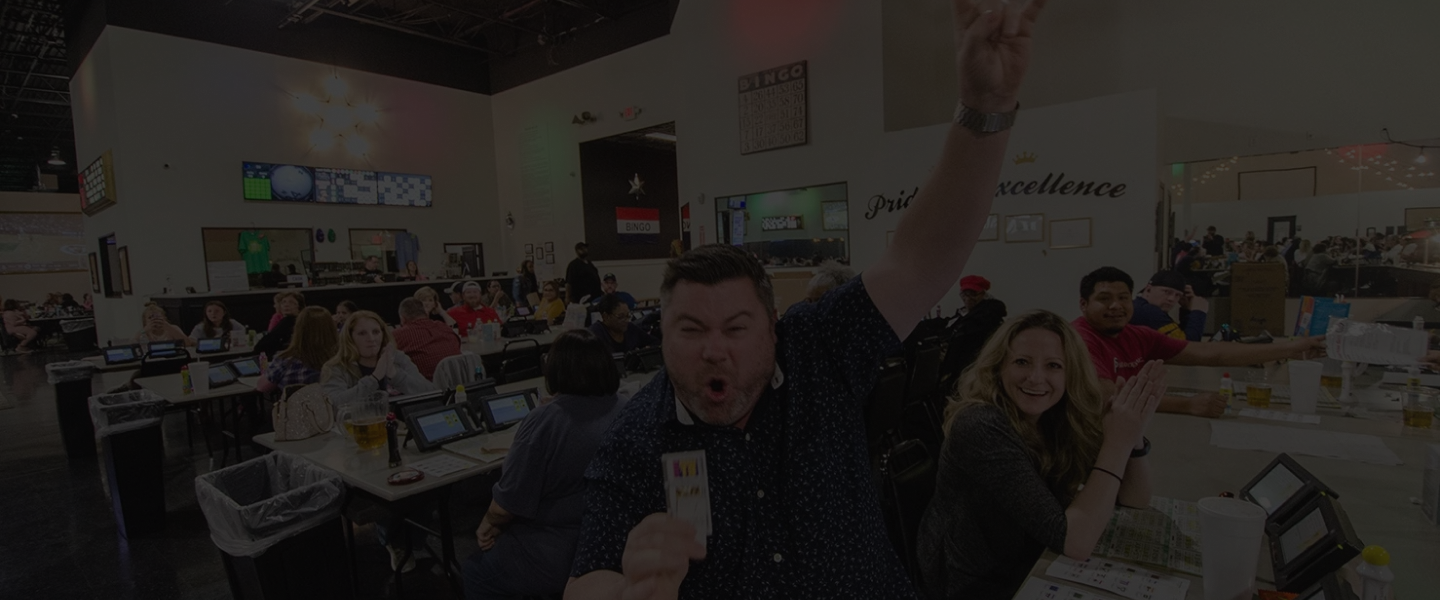
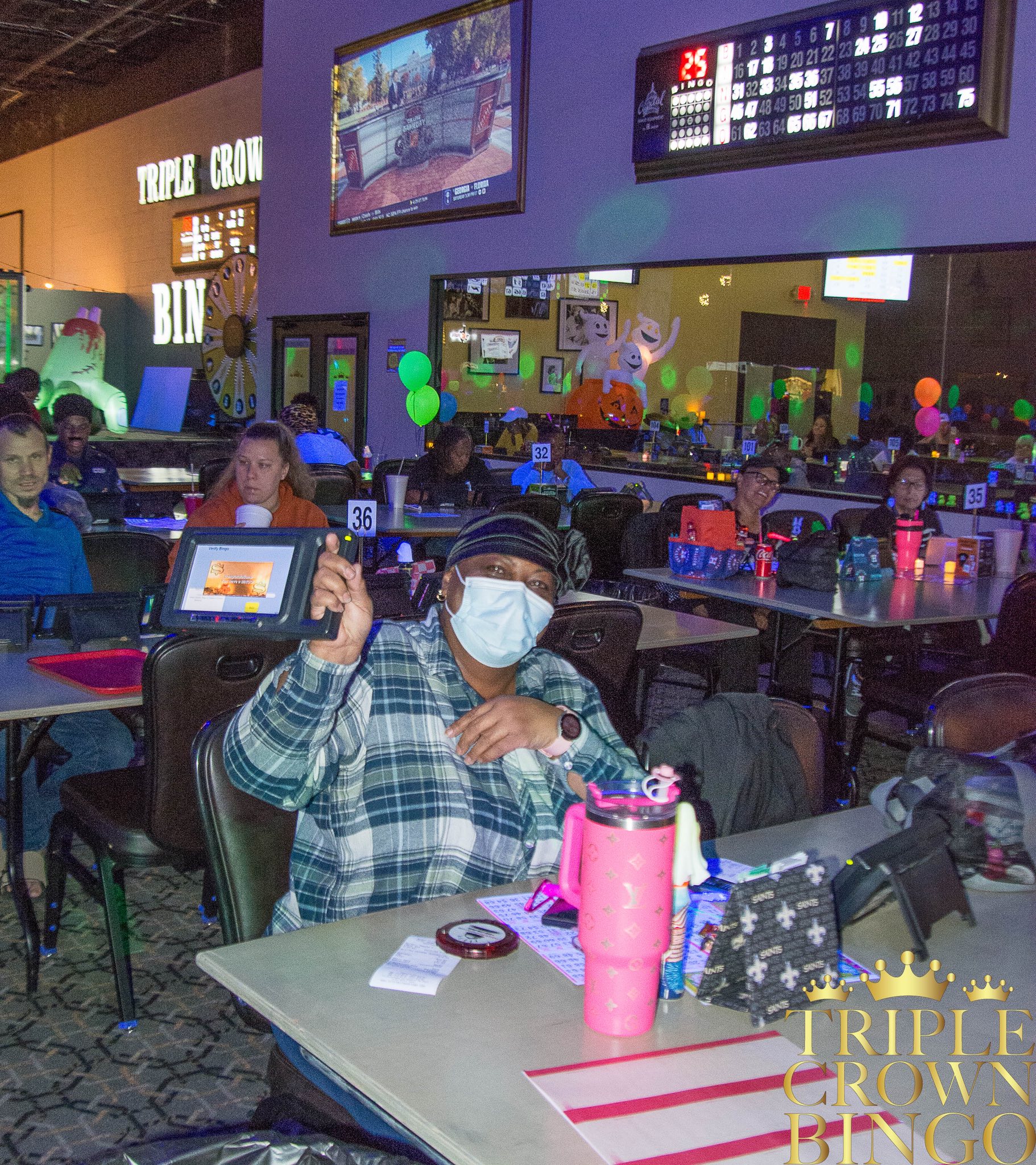
Bingo for seniors is more than a familiar pastime. For many older adults, it is a social activity, a brain game, a weekly routine, and a simple way to enjoy community outside the home. Whether played at a senior center, assisted living community, care home, family gathering, or a local bingo hall, bingo gives seniors an easy, low-pressure way to stay mentally active and socially connected.
At Triple Crown Bingo, the experience fits naturally with what many older adults look for in a recreational activity: a welcoming bingo hall atmosphere, community, excitement, and live in-person play. The brand describes itself as a Houston-area bingo destination with locations including Jones Road, Humble, and Brenham, offering family-friendly entertainment, prizes, events, and a focus on community.
For seniors, that combination matters. Health organizations such as the National Institute on Aging and CDC note that social isolation and loneliness can affect older adults’ mental, physical, and cognitive health. Regular group activities can help older adults build stronger social connections and reduce time spent alone.
Why Bingo Is Good for Seniors
One reason bingo remains popular with older adults is that it is easy to learn but still engaging. Players listen for called numbers, scan their bingo cards, mark matches, follow winning patterns, and stay alert until someone calls “Bingo.” This makes the game simple enough for beginners while still giving the brain something active to do.
Unlike some senior activities that require physical strength, special skills, or expensive equipment, bingo games for seniors are accessible. Many older adults can play while seated, and the rules are familiar to people who have played before. With large-print bingo cards, good lighting, clear audio, and comfortable seating, bingo can be adapted for seniors with limited mobility, vision changes, or hearing challenges.
That accessibility makes bingo a strong fit for senior citizens, caregivers, activity directors, and families looking for fun indoor activities for seniors.
Cognitive Benefits of Bingo for Seniors
Bingo can support cognitive stimulation because the game uses several mental skills at once. Players must listen carefully, remember the number that was called, identify it on the card, and react before the next call. That process can help keep attention, focus, short-term memory, and number recognition engaged.
The cognitive benefits of bingo for seniors may include:
Better concentration during group play
Practice with visual scanning and pattern recognition
Use of short-term memory and recall
Improved listening skills
Faster recognition of letters and numbers
Mental stimulation in a fun, social setting
Bingo should not be presented as a cure or medical treatment for dementia, Alzheimer’s disease, depression, or memory loss. However, as a recreational brain game for seniors, it may help older adults stay mentally engaged. This is why bingo is often used in nursing homes, assisted living communities, senior centers, and memory care activity programs.
Social Benefits: Connection, Friendship, and Belonging
The social benefits of bingo for seniors are one of the biggest reasons the game is so valuable. Many older adults experience smaller social circles as they age. Friends may move away, family members may be busy, and some seniors may spend long periods alone. A regular bingo session gives older adults a reason to leave the house, meet people, talk, laugh, and feel part of a group.
Bingo and social interaction go hand in hand. Players chat before games, celebrate wins, share friendly competition, and build relationships over repeated visits. Even small conversations can create a stronger sense of belonging.
For seniors who feel lonely, bingo can offer:
A regular social routine
Opportunities to meet new people
A shared activity that makes conversation easier
A sense of community
A reason to stay active outside the home
Friendly competition without pressure
This is especially important because loneliness and social isolation are linked with higher risks for health problems such as depression, cognitive decline, and heart-related concerns.
Emotional and Mental Health Benefits
Bingo is also a mood-boosting activity. The excitement of waiting for the next number, the joy of being close to winning, and the fun of calling out “Bingo!” can make the experience emotionally rewarding. For many older adults, the game brings laughter, anticipation, confidence, and enjoyment.
The emotional benefits of bingo for seniors include a stronger sense of purpose, reduced boredom, and more opportunities for positive social interaction. A weekly bingo night can become something to look forward to, especially for seniors who benefit from structure and routine.
Playing bingo in a welcoming environment can also help seniors feel seen and included. This is important in senior living communities and family settings, where meaningful participation can support quality of life.
Physical Benefits: Coordination and Fine Motor Skills
Bingo is not a replacement for exercise, but it does involve light physical and sensory activity. Seniors use hand-eye coordination when marking cards, placing chips, holding daubers, or checking numbers. These small actions can support fine motor skills and dexterity.
For older adults with limited mobility, bingo is a low-impact activity that can be played comfortably while seated. This makes it more accessible than many physical games or outdoor activities. The best senior-friendly bingo setup includes spacious tables, stable chairs, clear walkways, bright lighting, and helpful staff or caregivers when needed.
Why Seniors Love Playing Bingo
Seniors enjoy bingo because it combines simplicity, familiarity, excitement, and community. The game does not require advanced technology or complicated rules. New players can learn quickly, while experienced players can enjoy the rhythm and suspense of each round.
Older adults may love bingo because it offers:
Easy-to-follow rules
A familiar game format
Social connection
Friendly competition
A chance to win prizes
A fun reason to go out
A shared tradition with friends and family
At a bingo hall like Triple Crown Bingo, seniors can enjoy the atmosphere of live games, community energy, special events, and the excitement of playing alongside other people. The venue’s pages emphasize a vibrant community, welcoming atmosphere, games, events, and prizes across its Texas locations.
Bingo in Senior Centers, Nursing Homes, and Assisted Living
Bingo is one of the most common group activities for seniors because it works well in many settings. Senior centers use it to encourage social engagement. Nursing homes and assisted living communities use it as part of activity calendars. Families use it at gatherings because multiple generations can play together.
In care settings, bingo can be adapted with:
Large-print bingo cards
Picture bingo for memory care residents
Slower number calling
Clear microphones or speakers
High-contrast cards
Shorter sessions
Simple prize options
Extra support for residents who need help
These adaptations make bingo more inclusive for elderly people with different ability levels. For seniors with early memory challenges, picture bingo, music bingo, or themed bingo may be easier and more enjoyable than traditional number-only games.
How to Make Bingo More Senior-Friendly
To create the best bingo experience for older adults, comfort and accessibility should come first. Choose a space with good lighting, clear sound, and comfortable seating. Use large-print cards and easy-to-hold daubers. Keep the pace steady, not rushed. Make sure seniors can ask for help without feeling embarrassed.
Caregivers, family members, and activity directors can also add themed bingo ideas to make the game more engaging. Holiday bingo, music bingo, wellness bingo, food-themed bingo, travel bingo, and family bingo can keep the activity fresh. Intergenerational bingo is also a great way for grandchildren and older relatives to connect through a shared game.
Is Bingo Healthy for Older Adults?
Bingo can be part of a healthy aging lifestyle when it is played as a fun, social, and recreational activity. It supports mental stimulation, emotional well-being, social connection, and light coordination. It also encourages seniors to leave the house, participate in a group, and enjoy a structured routine.
The key is balance. Bingo should be enjoyable, affordable, and pressure-free. It should not create financial stress or be treated as a health cure. When played responsibly, bingo for older adults can be a meaningful activity that supports connection, confidence, and quality of life.
Final Thoughts
Bingo for seniors is more than a game of numbers. It is a social activity, a memory exercise, a mood booster, and a community experience. From senior centers and assisted living communities to local bingo halls, bingo gives older adults a simple way to stay connected, engaged, and entertained.
For seniors looking for a fun outing, and for families searching for meaningful activities for older adults, bingo is a practical and enjoyable option. At Triple Crown Bingo, seniors can experience the excitement of live games in a welcoming community setting while enjoying one of the most loved recreational activities for older adults.
FAQs
1. Is bingo good for seniors?
Yes, bingo is good for seniors because it encourages social interaction, mental stimulation, focus, and routine. It is easy to learn, low-impact, and suitable for many ability levels, making it a helpful recreational activity for older adults.
2. What are the benefits of bingo for seniors?
The benefits of bingo for seniors include better social connections, mental engagement, improved concentration, mood support, and light hand-eye coordination practice. It also gives older adults a fun reason to participate in group activities and reduce isolation.
3. Does bingo help elderly people with memory?
Bingo may help elderly people practice memory-related skills because players listen, remember called numbers, scan cards, and follow patterns. It should not be seen as a medical treatment, but it can provide useful cognitive stimulation.
4. Why do seniors like playing bingo?
Seniors like playing bingo because it is simple, familiar, social, and exciting. The game offers friendly competition, conversation, routine, and the chance to enjoy a shared activity with friends, family, or other community members.
5. Can bingo help reduce loneliness in older adults?
Bingo can help reduce loneliness in older adults by creating regular opportunities for social interaction. Group bingo sessions encourage conversation, friendship, belonging, and community participation, which can support emotional well-being and reduce isolation.
6. Is bingo a good activity for nursing homes?
Yes, bingo is a good activity for nursing homes because it is easy to organize, inclusive, and adaptable. Large-print cards, clear calling, picture bingo, and shorter sessions can make the game accessible for residents with different needs.