

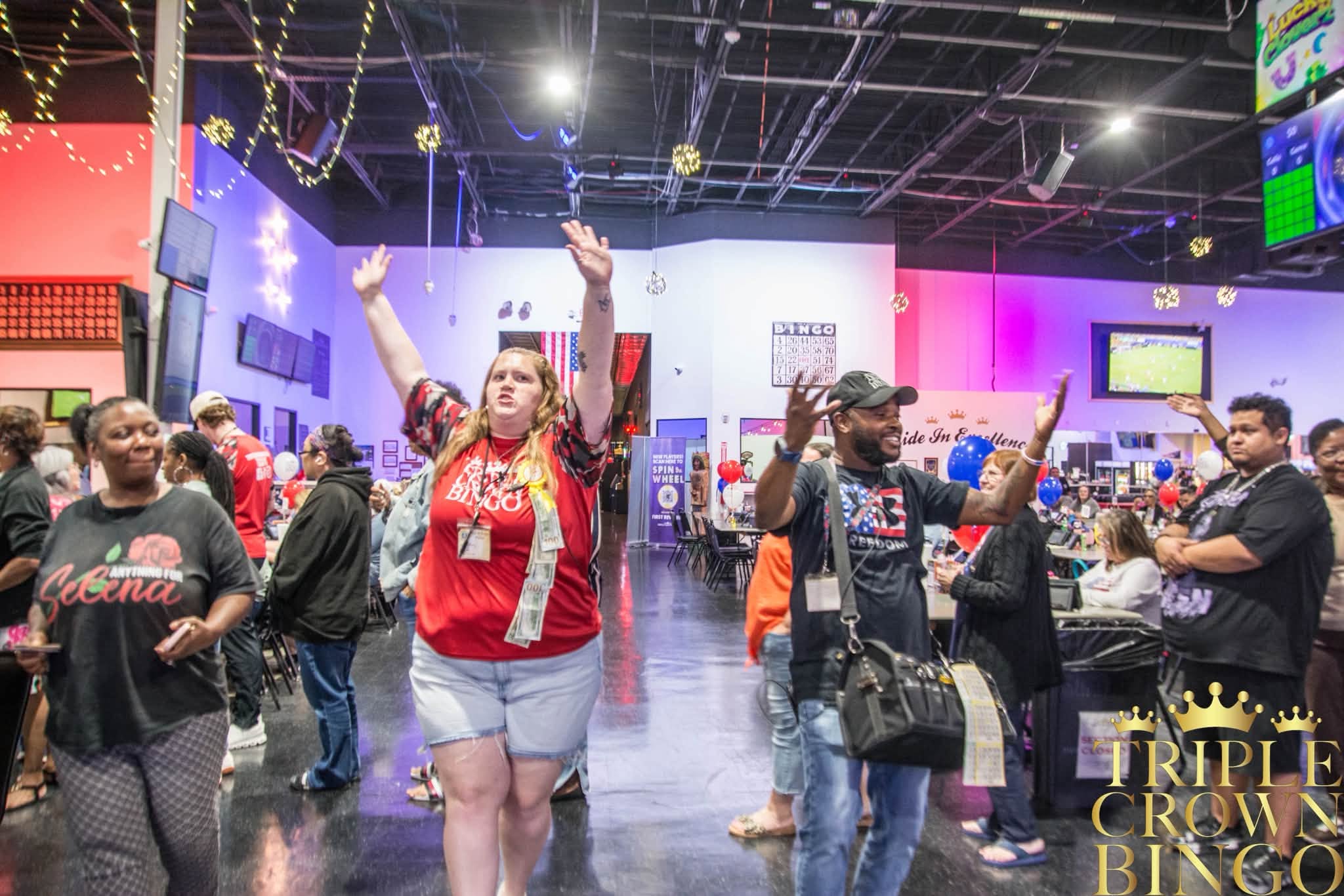
Bingo looks simple: listen for a number, mark a card, complete a pattern, and call “Bingo!” Yet behind that familiar rhythm is a game with centuries of history, regional formats, unusual traditions, and a lasting connection to community fundraising.
These bingo fun facts explain where the game came from, how it changed, and why it remains a popular social activity.
Bingo’s Roots Stretch Back to Sixteenth-Century Italy
The history of bingo begins with an Italian lottery tradition commonly linked to Il Giuoco del Lotto d’Italia in the 1500s. Participants matched selected numbers against numbered tickets.
The concept later moved through Europe. In France, Le Lotto used numbered cards, while German versions were adapted for educational exercises. Long before daubers and electronic bingo, the game had already proved adaptable.
Modern American Bingo Was Once Called Beano
One of the most repeated bingo trivia facts is that the American carnival game was known as Beano. Players covered matching numbers with dried beans and called “Beano!” after completing the required line.
The game did not begin with one inventor. Hugh J. Ward helped spread a carnival version during the 1920s. Toy merchandiser Edwin S. Lowe encountered Beano at a traveling carnival in 1929 and later popularized commercial bingo. The Library of Congress records both men’s roles.
The Name “Bingo” May Come From an Excited Mistake
According to the famous story, a player in one of Lowe’s games became so excited after winning that “Bingo!” came out instead of “Beano!” Lowe supposedly liked the word and adopted it.
The accidental shout is best treated as popular bingo folklore rather than a fully documented moment. What is clear is that “Bingo” became the established American name and appeared in commercial game materials by the early 1930s.
A 75-Ball Bingo Card Is Carefully Organized
American-style 75-ball bingo normally uses a five-by-five grid beneath the letters B-I-N-G-O. Each letter covers a specific number range:
B: 1–15
I: 16–30
N: 31–45
G: 46–60
O: 61–75
This structure helps players locate called numbers quickly. The center square is usually a free space, allowing more possible lines and patterns without another called number.
Winning bingo patterns may include a straight line, four corners, a diamond, a letter shape, or a blackout. This variety helps two 75-ball bingo sessions feel completely different.
British Bingo Uses 90 Balls and a Different Ticket
The American 75-ball format is not universal. British-style 90-ball bingo uses a ticket with three rows and nine columns. Games commonly award prizes for one line, two lines, and a full house.
Other bingo game variations include 80-ball bingo, speed bingo, picture bingo, and music bingo. Triple Crown Bingo’s glossary recognizes several formats and terms such as blackout, coverall, free space, progressive, and speed bingo.
Bingo Has Developed Its Own Language
A first-time visitor may hear unfamiliar words. A dauber is the ink marker used on paper bingo cards. A caller announces the numbers. A coverall or blackout requires every number on the card to be marked. A session is a scheduled set of games.
Other common bingo terms include early bird, four corners, hardway bingo, money ball, progressive jackpot, pull-tab, validation, and multiple winners. Learning this bingo vocabulary can make a first visit easier to follow.
British Bingo Calls Mix Rhyme and Visual Humor
Traditional British bingo calls give numbers memorable nicknames. “Two Little Ducks” refers to 22 because the digits resemble ducks, while “Legs Eleven” describes the shape of 11.
Other calls draw from rhyming slang, songs, military references, films, and popular culture. They made numbers easier to distinguish in busy bingo halls while adding humor. American bingo callers more often announce the letter and number directly.
Bingo Has Been Used in Classrooms
Teachers have adapted bingo for multiplication, spelling, vocabulary, geography, foreign-language learning, and picture recognition.
Educational bingo turns repetition into interaction. Students can match equations to answers, words to definitions, or pictures to spoken clues. The structure works for children, adult learners, training sessions, and family activities.
Bingo Has a Strong Charitable Tradition in Texas
Bingo has long been associated with churches, veterans’ organizations, service clubs, and community fundraising. Texas describes charitable bingo as an important fundraising activity for authorized nonprofit organizations, with regulated games benefiting charities and local communities.
That purpose is part of the Triple Crown Bingo experience. The company says its revenue supports nonprofit groups connected with veterans, service organizations, religious communities, youth programs, animal rescue, and other local causes.
Players Can Choose Paper or Electronic Bingo
Paper bingo remains popular because players physically mark matching numbers with a dauber. Electronic bingo tracks multiple preloaded cards on a device.
Triple Crown Bingo offers paper cards, electronic bingo units, and pull-tab games. Its site also highlights food and drink options, special events, and locations in Houston, Humble, and Brenham.
Technology changes how cards are managed, but not the suspense. Players still wait for the next call, watch a pattern develop, and hope one final number completes the win.
Why Bingo Has Remained Popular
Bingo has survived for centuries because its basic rules are accessible while its sessions remain unpredictable. Changing patterns, jackpots, card types, and game speeds keep the experience fresh.
It is also naturally social. Players share tables, react to near wins, enjoy food, recognize familiar callers, and build routines around regular sessions. That combination of chance, anticipation, and community explains why bingo fits classrooms, charity events, family gatherings, and lively bingo halls.
The next time a caller announces a number, remember that the moment connects modern players with Italian lotteries, European card games, American carnivals, community fundraisers, and generations of bingo fans.
FAQs
Where did bingo originate?
Bingo’s earliest widely recognized ancestor was an Italian lottery played in the sixteenth century. The number-drawing idea later spread to France and other parts of Europe before evolving into Beano and modern bingo in the United States.
Why is bingo called bingo?
The best-known story says a Beano player became excited after winning and accidentally shouted “Bingo!” Edwin S. Lowe reportedly liked the word and used it for his commercial game. Historians generally treat the accidental-shout detail as a popular origin story.
Who invented bingo?
No single person invented bingo in its entirety. The game evolved from European lottery traditions. Hugh J. Ward helped standardize an American carnival version, while Edwin S. Lowe popularized commercial bingo after encountering the game, then called Beano, in 1929.
What was bingo originally called?
The American carnival game that developed into modern 75-ball bingo was commonly called Beano because players covered their numbers with dried beans. Earlier European relatives had different names, including the Italian lottery game and the French game known as Le Lotto.
What is the difference between 75-ball and 90-ball bingo?
Seventy-five-ball bingo usually uses a five-by-five card with a free center square and pattern-based wins. Ninety-ball bingo uses three-row, nine-column tickets and commonly awards prizes for completing one line, two lines, or every number on the ticket.
Why do bingo cards have a free space?
The center free space gives players one automatically covered position and allows more winning lines or patterns to form with fewer called numbers. Some bingo variations do not use it, while hardway patterns require players to win without relying on the free space.