
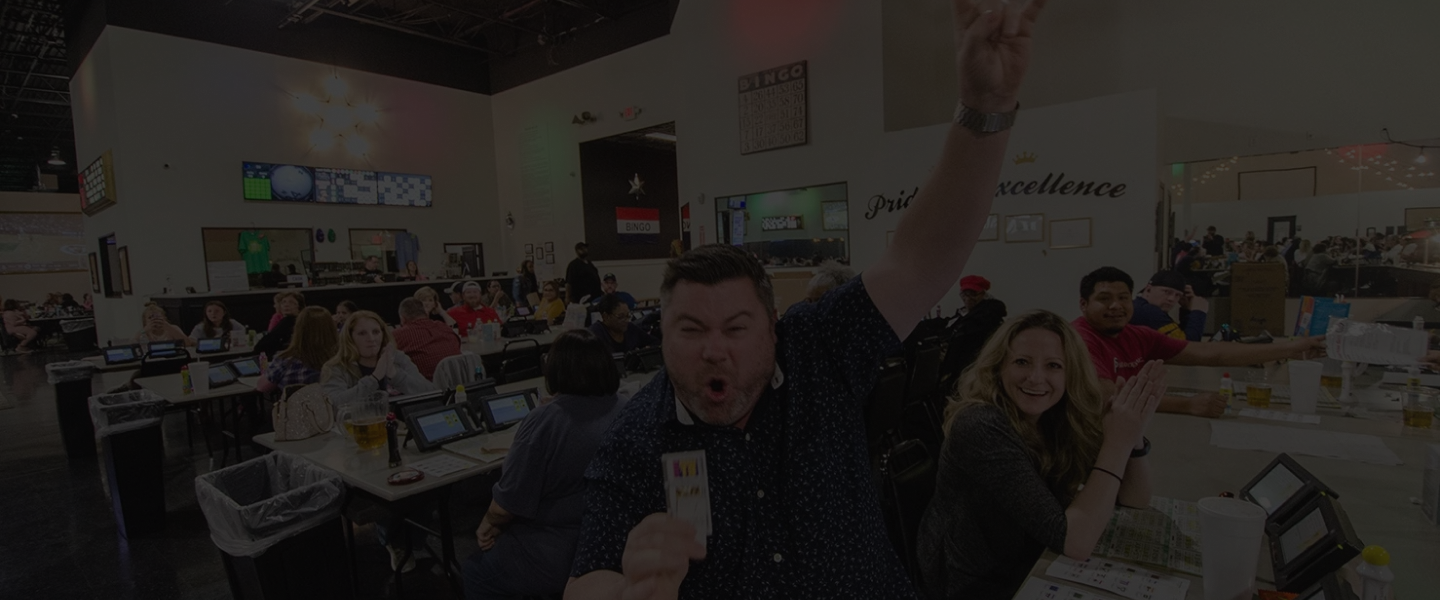
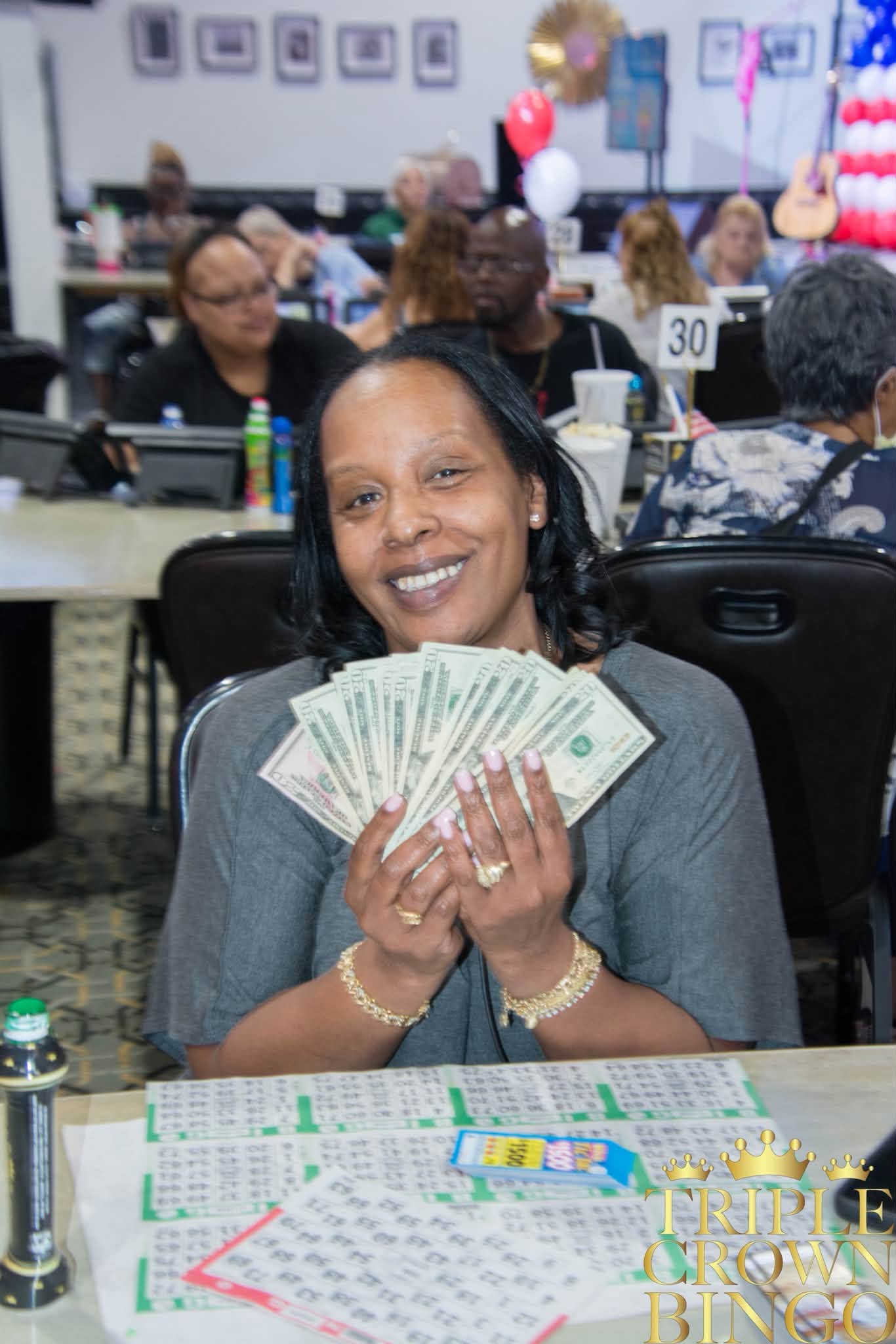
Bingo may be built around numbers, cards, and the anticipation of a winning call, but its lasting appeal is often social. The social benefits of bingo begin with something simple: people sharing the same room, activity, and moments of excitement. A bingo night gives friends, families, neighbors, and newcomers an easy reason to gather.
That shared experience can turn an ordinary game into community building. Players talk between rounds, recognize familiar faces, celebrate wins, laugh over near misses, and gradually form relationships. For many people, community bingo is not only entertainment; it is a regular social activity that encourages connection, companionship, and a genuine sense of belonging.
Why Bingo Is Such a Social Activity
Bingo gives social interaction a natural structure. Everyone follows the caller, watches a bingo card, reacts to the same numbers, and shares the suspense of each round. That can make socializing feel easier than situations where people must create conversation from scratch.
A first-time player can focus on the game while getting comfortable with the group. Regular players can reconnect with people they already know. Friendly competition adds energy, but the shared atmosphere keeps the experience communal.
This balance of individual play and group participation is one of the clearest social benefits of playing bingo. Each person has a card to follow, yet everyone participates in the same shared experience.
Bingo Creates Opportunities for Friendship
Friendships often grow through repeated contact. Community bingo nights make that possible by bringing people together around a familiar routine. Someone may begin by exchanging a few words with another player, then start sharing a table, saving a seat, or catching up before the next game.
Over time, familiar faces can become friends. Bingo also gives newcomers an immediate common interest, making it easier to meet new people without joining a highly formal club or activity.
Conversation grows naturally around the caller, the cards, close rounds, and shared excitement. These small interactions can develop into friendship, companionship, stronger social bonds, and meaningful community connections.
Regular Bingo Nights Create a Sense of Belonging
Community is often built through repetition. When people return to the same place, see the same players, and take part in familiar routines, they begin to feel connected to the group.
A bingo hall can work like a “third place”, a social setting outside home and work where people can spend time around others. Regular gatherings create community spirit through shared rituals, friendly recognition, conversation, and participation.
Bingo is also an accessible activity. The basic rules are easy to understand, and players do not need advanced skills or years of experience to take part. That relatively low barrier to participation can help a bingo community feel welcoming and inclusive to beginners as well as regular players.
Bingo Can Help People Stay Socially Connected
Loneliness and social isolation can affect people at different stages of life. Bingo is not a treatment for either, but a recurring group activity can create more opportunities for human connection, conversation, and companionship.
A community bingo night gives people a reason to leave the house, join a group, and interact face to face. It can become part of a regular social calendar and give players something enjoyable to anticipate.
Even simple moments, greeting familiar people, sharing a table, chatting between games, or celebrating a win, can strengthen social connections over time. Triple Crown Bingo's existing community coverage similarly emphasizes regular interaction, companionship, and belonging as important parts of the bingo experience.
Bingo Brings Different Generations Together
Another community benefit of bingo is its broad accessibility. Families, older adults, younger players, friends, and neighbors can enjoy the same basic game even when their ages and levels of experience differ.
Intergenerational bingo creates common ground. Grandparents can play alongside younger relatives, longtime players can welcome beginners, and community members who might not otherwise meet can share the same table.
These intergenerational connections make bingo more than age-specific entertainment. The game becomes a shared family activity and an opportunity for wider community participation. Triple Crown Bingo also presents its venues as family-friendly destinations designed to welcome different generations.
Why Bingo Can Be Meaningful for Older Adults
Bingo is often popular with older adults because it combines social engagement with a straightforward, recognizable game structure. Players listen for numbers, scan their cards, remain attentive, and interact with people around them.
The social side can be especially meaningful. Regular sessions may provide companionship, routine, conversation, and opportunities to remain involved with friends and the local community.
Bingo should not be presented as a medical treatment or cure for loneliness. Instead, it can be viewed as one enjoyable form of social participation that allows older players to stay connected, spend time with others, and participate in a familiar group activity.
Community Bingo Can Strengthen Local Connections
The impact of bingo can extend beyond the people sitting at a single table. Community bingo events can bring together residents, families, volunteers, local organizations, and supporters around one shared gathering.
Some bingo events also connect entertainment with nonprofit or charitable support. That adds another layer of community engagement by linking social recreation with causes that matter locally. Community-focused bingo can therefore support relationships between players while strengthening ties among organizations, volunteers, and residents.
At Triple Crown Bingo, family-friendly entertainment is paired with a stated commitment to supporting nonprofit organizations. Its Texas locations include Jones Road in Houston, Humble, and Brenham, giving players several local places to gather for in-person bingo.
What Makes a Bingo Community Welcoming?
A strong bingo community is not created by the game alone. The environment matters. Clear rules, friendly staff, comfortable spaces, respectful players, and an atmosphere that welcomes beginners can all support social inclusion.
Small behaviors matter too: greeting a new player, explaining how a round works, celebrating another person's win, or simply sharing conversation between games.
Players may arrive with friends, family, or alone, but the shared activity gives everyone an immediate reason to participate. That combination of accessibility, familiar routines, and group interaction helps turn a bingo hall from an entertainment venue into a community gathering place.
Building Community One Bingo Night at a Time
The social impact of bingo is found in repeated, ordinary moments: conversation before a game, a familiar person at the next table, laughter after a close round, and the excitement when someone calls “Bingo!”
Those moments can create friendship, companionship, stronger community ties, and a deeper sense of belonging. They can help neighbors become familiar faces and familiar faces become friends.
That is what makes bingo more than a numbers game. It can be accessible group entertainment, a shared tradition, a social gathering, and a place where community building through bingo happens naturally.
FAQs
What are the benefits of playing bingo?
Playing bingo combines entertainment, social interaction, mental engagement, and friendly competition. It gives people a reason to gather, talk, focus on a shared activity, and enjoy a routine while creating opportunities for friendship, belonging, and meaningful community participation.
What are the social benefits of playing bingo?
The social benefits of playing bingo include companionship, face-to-face interaction, new friendships, stronger social bonds, and a greater sense of belonging. Regular bingo nights can also help people stay connected by creating a welcoming place for repeated community interaction.
How does bingo bring people together?
Bingo brings people together through a simple shared activity that encourages conversation, laughter, friendly competition, and celebration. Because players gather around the same game and often return regularly, familiar faces can become friends and individual players can become part of a community.
How does bingo help the community?
Bingo helps the community by creating gathering spaces, encouraging social participation, supporting local relationships, and bringing different generations together. Community bingo events can also support nonprofit organizations and local causes, adding a wider sense of purpose to the shared entertainment experience.
Can bingo help reduce loneliness?
Bingo can help reduce loneliness by giving people regular opportunities for social contact, conversation, and companionship. A recurring bingo night creates a familiar routine where players can meet others, build relationships over time, and feel included in a welcoming social environment.
Why is bingo good for older adults?
Bingo can be a good activity for older adults because it combines social engagement with listening, attention, and an easy-to-follow game structure. Regular sessions may provide companionship, routine, friendly interaction, and opportunities to remain involved with friends and the wider community.