

Hosting a bingo night at home is one of the easiest ways to turn an ordinary evening into a lively family gathering. The rules are simple, the setup can be inexpensive, and children, parents, and grandparents can all participate without needing special skills.
If you are wondering how to host a bingo night at home, focus on five essentials: prepare easy-to-read bingo cards, choose a fair way to draw numbers, explain the winning patterns, arrange simple prizes, and keep the rounds short enough to keep everyone engaged.
Bingo works particularly well as a family game night because nobody needs to be an expert. Once everyone understands how to mark a card and recognize a winning pattern, you can concentrate on the best part: spending time together.
What Do You Need for a Bingo Night at Home?
You do not need professional bingo night equipment to organize a successful game. A basic home setup requires:
Bingo cards
Bingo markers or daubers
Numbered balls, number slips, or another random number draw
A bowl, bag, or bingo cage
A designated bingo caller
Small prizes
Tables and comfortable seating
Snacks and refreshments
Printable bingo cards are particularly convenient for a DIY bingo night. Make sure each player receives a different card so everyone has a fair opportunity to complete the announced pattern.
You also do not necessarily need bingo daubers. Coins, buttons, beans, small counters, or other household items can serve as bingo markers if you want a simple homemade bingo game.
Choose a Family-Friendly Bingo Format
Before guests arrive, decide which type of bingo you will play.
75-ball bingo is an approachable choice for a family bingo night. A traditional card uses a 5×5 grid beneath the letters B-I-N-G-O, typically with a free space in the center. This familiar layout makes called numbers relatively easy for beginners to locate.
Other bingo variations use different card layouts and number ranges, including 90-ball bingo. Whichever format you choose, avoid switching formats unexpectedly during the game. Consistency helps younger players and beginners follow the action.
Triple Crown Bingo's beginner guidance similarly emphasizes understanding the card layout, called numbers, winning pattern, and house rules before play begins.
Set Up Your Family Bingo Game
A comfortable bingo night setup can make a major difference.
Arrange tables and chairs so everyone can clearly see their bingo cards and hear the caller. Give players enough space to place their cards, markers, drinks, and snacks without clutter.
Then organize your bingo supplies before starting. Keep the numbered balls or number slips together, place prizes where everyone can see them, and have spare cards and markers nearby.
For children, consider starting with one bingo card per player. Adults and experienced players can manage multiple cards, but beginners may miss called numbers when they have too many cards to watch. Triple Crown Bingo also recommends that beginners start with a manageable number rather than taking on too many cards at once.
Explain the Bingo Rules Before You Start
Knowing how to play bingo at home should never feel complicated.
Give each player a bingo card and explain the required winning pattern. The caller then draws numbers randomly and announces them clearly. Players find matching numbers on their cards and cover or mark those spaces.
When someone completes the required pattern, that player calls, “Bingo!”
Pause the game and verify the card against the numbers already called. If it is correct, you have your winner.
This basic structure—listen for random numbers, mark matching spaces, complete the required pattern, and have the winning card verified—is also central to standard bingo play.
For a family game, explain these bingo rules for beginners before the first number is drawn. Children especially benefit from a quick practice round.
Try Different Bingo Winning Patterns
Using several bingo winning patterns prevents every round from feeling identical.
Good patterns for a home bingo game include:
Horizontal line
Vertical line
Diagonal line
Four corners
X pattern
Full house
Blackout or coverall
Start with a simple line for the first round. Once everyone understands the game, introduce four corners or another shape. Save full house or blackout bingo for a longer final round.
Always announce and, ideally, display the required pattern before calling the first number. Pattern games are a standard part of bingo, and clear pattern communication helps players know exactly what they need to complete.
Make Bingo Calling Easy to Follow
The bingo caller controls the pace of your home game, so clear calling matters.
Draw one number at a time, announce it loudly, and give players a few seconds to check their cards before continuing. When playing with young children or grandparents, slow the calling speed slightly.
Keep the numbers that have already been drawn separate from those still waiting to be called. This makes card verification much easier when somebody claims a win.
You can also rotate the caller between rounds. Letting children call numbers can make a family bingo game more interactive and gives everyone a chance to participate differently.
Choose Fun Family Bingo Prizes
You do not need expensive bingo night prizes to create excitement.
Family-friendly bingo prize ideas include:
Candy or favorite snacks
Small toys
Books
Stickers
Craft supplies
Homemade winner certificates
Choosing the next family movie
Picking dessert
Choosing the next family game
A temporary pass from a household chore
For mixed-age groups, create separate prize choices rather than giving everyone the same item. That prevents an adult from winning a children's toy or a young child receiving something intended for an older player.
The goal of family-friendly bingo prizes is to add friendly competition, not make the game overly serious.
Add a Theme to Your Bingo Night
A theme can transform a basic home bingo game into a memorable family event.
Popular bingo night themes include holidays, birthdays, seasons, animals, movies, sports, or favorite foods. You can carry the theme across printable bingo cards, decorations, snacks, invitations, and prizes.
For younger children, picture-based or themed bingo cards can be easier and more engaging than traditional numbered cards.
Keep decorations simple. A few themed table decorations, colorful napkins, and background music between rounds can create a fun game night atmosphere without requiring a large budget.
Plan Easy Bingo Night Snacks
Good bingo night food ideas are easy to eat without interfering with the game.
Try popcorn, pretzels, fruit, bite-sized sandwiches, crackers, cookies, vegetables and dip, or other finger foods. Keep refreshments on a nearby table so players can refill between rounds.
Avoid foods that are especially messy around paper bingo cards.
Music can also improve the atmosphere, but keep it low or pause it while numbers are being called so everyone can hear clearly. Competitor hosting guides similarly emphasize easy snacks, drinks, music, prizes, and prepared equipment as key elements of an enjoyable home bingo event.
Keep Your Family Bingo Night Moving
A successful family bingo night should feel energetic rather than endless.
For most families, several short rounds work better than one very long game. Start with easy winning patterns, introduce more interesting patterns later, and finish with a special final round.
Allow short breaks for snacks, conversation, and resetting cards. If children start losing concentration, shorten the next round or choose an easier pattern.
Most importantly, keep the atmosphere friendly. Bingo is a game of chance, so the experience should be about shared entertainment rather than putting pressure on winning. Triple Crown Bingo's own educational content similarly describes bingo as a chance-based game centered on the excitement of called numbers, patterns, and community.
Bring the Bingo Experience Together
Learning how to organize a bingo night at home comes down to preparation and simplicity. Prepare your cards, markers, number draw, rules, winning patterns, prizes, and snacks before the first round begins. Then adjust the pace to suit the ages and experience levels around your table.
A home game is also a useful introduction to the broader bingo experience. Families who enjoy learning and playing together may eventually want to experience the atmosphere of a live bingo hall.
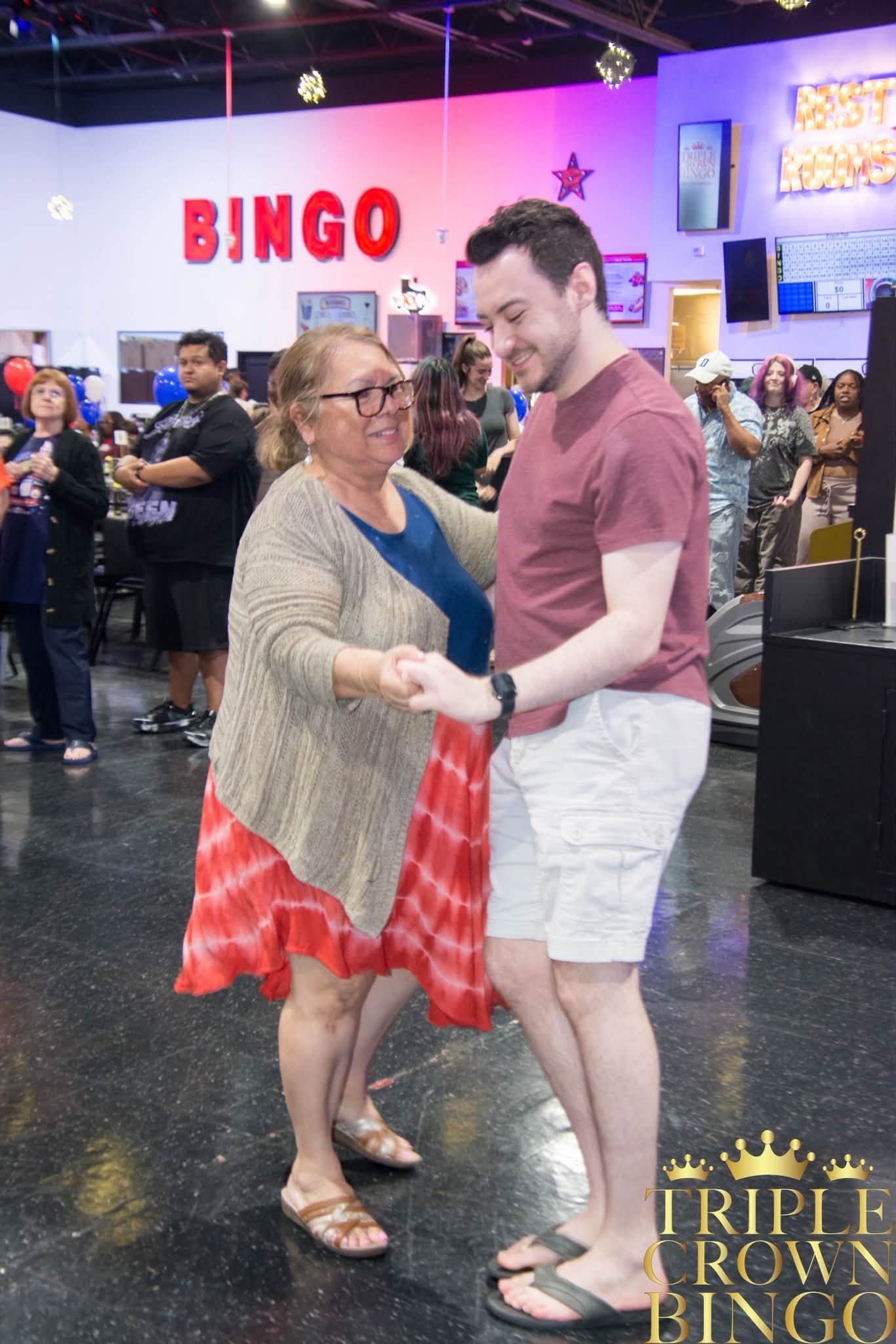
Triple Crown Bingo offers family-friendly bingo entertainment at its Texas locations and welcomes players aged seven and older. Its venues combine bingo games with food, prizes, events, and a community-focused atmosphere.
Whether you are planning a birthday activity, an indoor family game night, a holiday gathering, or simply something different for the weekend, bingo provides an easy way to bring generations together around the same table.
FAQs
How do you play bingo at home?
Give each player a bingo card and markers, then have a caller randomly draw and announce numbers. Players mark matching spaces. Before starting, choose a winning pattern such as a line, four corners, or blackout. The first verified player to complete it wins.
What do you need for a bingo night at home?
You need bingo cards, markers or daubers, numbered balls or number slips, a container for random draws, a caller, and prizes. Tables, chairs, snacks, drinks, decorations, and music are optional additions that can make a family bingo night more enjoyable.
How many people do you need for a bingo night?
Bingo can work with only a few family members, although a larger group usually creates more energy and friendly competition. The important factor is having enough unique bingo cards for every participant and ensuring everyone can clearly hear each number announced by the caller.
How do you make bingo fun for kids?
Keep rounds short, use easy winning patterns, provide colorful cards, and offer age-appropriate prizes. Younger children may enjoy picture bingo or using candy as markers. Letting children take turns calling numbers can also make the game more interactive and maintain their attention.
What are good prizes for family bingo?
Good family bingo prizes include candy, books, small toys, craft supplies, homemade certificates, stickers, and inexpensive treats. Experience-based rewards also work well, such as choosing the next movie, selecting dessert, picking the next family game, or receiving a temporary household privilege.
How long should a family bingo night last?
A family bingo night usually fits comfortably within 60 to 90 minutes, depending on players' ages, calling speed, and winning patterns. Several short rounds with a snack break generally work better for families than one long, continuous bingo session.