

Moving a bingo event from a physical hall to a digital setting involves more than replacing paper cards with screens. A successful transition preserves the caller’s rhythm, clear rules, fair winner verification, and the social energy that makes bingo enjoyable. It also introduces digital bingo cards, remote participation, automated tools, and new technical responsibilities.
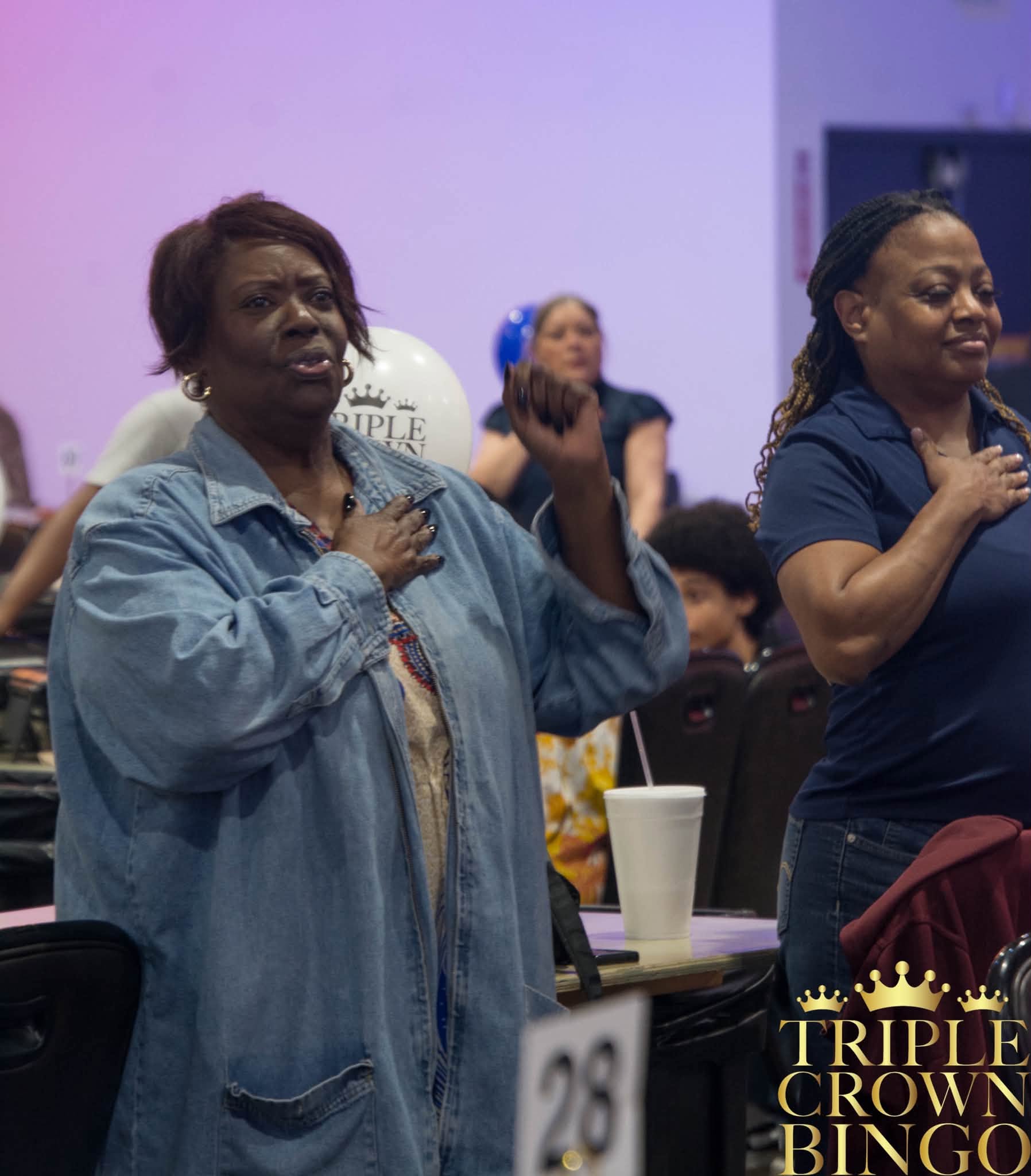
Triple Crown Bingo is known for the community atmosphere of in-person bingo, with paper and electronic play. That experience offers an important lesson for event organizers: technology should support the game rather than remove its personality. Whether you are planning online bingo for a community group, charity, workplace, family, or social club, this guide explains how to move bingo online smoothly.
To transition from live to online bingo, choose a dependable communication platform, digital bingo system, unique player cards, and reliable winner-verification process. Train the host, test every stage of the player journey, and begin with a pilot session. Preserve the familiar caller-led atmosphere through clear rules, steady pacing, and live interaction.
Live Bingo vs. Online Bingo: What Changes?
The rules and winning objective remain familiar, but registration, card delivery, communication, and verification become digital. Online bingo also requires organizers to plan for device compatibility, privacy, secure access links, and internet connection failures.
1. Define the Purpose and Format
Start by documenting the essential parts of your current live bingo session: player numbers, game length, winning patterns, caller style, card format, prizes, and staff roles. Then decide what the online version should improve, such as reaching remote players, reducing venue requirements, or making multiple cards easier to manage.
Choose the game format before selecting technology. Common options include 75-ball, 90-ball, 80-ball, and 30-ball bingo, with winning patterns such as a straight line, four corners, full house, coverall, or blackout.
Also determine whether the event is free, private, charitable, or commercial. Paid and fundraising games may involve licensing, age, payment, or reporting requirements. Check the rules that apply where the organizer and participants are located.
2. Choose a Virtual Bingo Setup
A practical virtual bingo setup needs a communication channel and a game system. Communication can happen through a video meeting or live-streaming service. Gameplay may use a browser-based bingo platform, online bingo caller, random bingo number generator, and digital bingo card generator.
Look for online bingo software that supports your player capacity, preferred patterns, and device requirements. Useful features include unique cards, a visible called-number board, host controls, automatic card validation, draw history, and mobile compatibility.
A no-download platform can simplify player onboarding because participants can join through a browser on a phone, tablet, or computer. Test how the system handles reconnecting players, simultaneous winners, multiple rounds, and sudden host disconnections before using it for a full event.
3. Replace Physical Equipment with Digital Tools
Give every physical item a clear online replacement. The bingo cage and numbered balls become a virtual bingo caller. Printed cards become unique digital cards or printable files. The flashboard becomes an on-screen number display, while dabbers become tap-to-mark controls or auto-marking.
Keep a live host whenever possible. A real bingo caller can announce numbers, explain patterns, welcome participants, and maintain the pace. This creates a more engaging virtual bingo night than relying entirely on an automated voice.
Plan prize delivery as carefully as gameplay. Decide how claims will be submitted, how winners will be identified, and whether prizes will be delivered through digital vouchers, secure payments, or mail. Avoid requesting unnecessary personal information in public chat.
4. Create and Distribute Bingo Cards
Every participant must receive a unique, readable bingo card. A digital bingo card generator can assign cards automatically. For a smaller remote bingo game, organizers may email printable cards or private card links before the event.
Send one clear instruction message containing the date, start time, joining link, device requirements, winning pattern, marking method, and procedure for claiming bingo. Track each card identifier so the verifier can confirm a win without delaying the game.
Accessibility also matters. Offer large-print or high-contrast cards, readable number displays, captions where available, and a slower call speed when needed. A short practice round is especially useful for older players and anyone unfamiliar with virtual event technology.
5. Prepare the Host and Run a Technical Rehearsal
Define responsibilities before launch. The bingo caller controls the game and its energy. A moderator manages entry and chat. A verifier checks claims, while technical support helps players experiencing sound, card, device, or connection problems.
The host should use reliable internet, a clear microphone, and preferably two screens. One display can show participants while the other controls the online bingo platform, digital cards, and called-number board.
Run a complete technical rehearsal. Test audio, screen sharing, card links, call speed, number visibility, winner verification, and the backup meeting link. Confirm that the random number generator does not repeat calls and that the complete draw history remains available.
6. Recreate the Live Bingo Atmosphere
Online convenience should not remove the social experience. Welcome players by name, explain how chat works, and leave a few minutes for conversation. Use player shout-outs, familiar bingo calls, themes, music between rounds, or short trivia questions to create energy.
Keep the structure clear. Announce the winning pattern before every round, display it throughout the game, and explain whether cards are marked manually or automatically. When the platform detects winners, tell players what notification they will see. For manual claims, pause immediately and check the card against the complete number history.
Triple Crown Bingo live experience demonstrates why clear calling, organized sessions, and shared excitement matter. Those qualities can be carried into an online bingo event through confident hosting, steady pacing, and intentional player interaction.
7. Prepare for Technical Problems
Create an online bingo troubleshooting plan for missing card emails, expired links, muted microphones, delayed audio, duplicate cards, screen-sharing failures, and temporary internet disconnections.
Provide one support contact and explain when play will pause. Decide in advance whether a disconnected player remains eligible and how disputed claims will be reviewed. Keep the called-number history, participant list, and card assignments available throughout the session.
A backup host, second device, alternative meeting link, and downloadable copy of essential event information can prevent a minor technical fault from ending the game.
8. Launch With a Pilot and Improve
Do not move the entire live audience online immediately. Start with a small pilot group using different devices and levels of technical confidence. Test registration, digital ticket distribution, joining, gameplay, winner verification, and prize delivery exactly as planned.
Afterward, collect feedback about confusing instructions, call speed, card readability, interaction, and technical problems. Review attendance, support requests, game duration, and player engagement, then simplify the process before the main launch.
Moving from live to online bingo does not require abandoning the bingo hall experience. Some organizers use virtual games for occasional remote events, while others create hybrid bingo with in-person and online participants. The strongest transition combines digital convenience with the qualities players already value: a confident caller, understandable rules, fair verification, shared reactions, and a welcoming community.
FAQs
How do you host an online bingo game?
Choose a video meeting or streaming tool, an online bingo caller, and a system for generating unique digital cards. Test the complete setup, send simple joining instructions, assign hosting and verification roles, then run a small pilot before inviting the full group.
What equipment do you need for online bingo?
The host needs a reliable internet connection, computer, clear microphone, and bingo-calling software. A second screen helps manage players and drawn numbers. Participants usually need a phone, tablet, or computer, internet access, and their individual digital or printable bingo card.
How do you distribute bingo cards online?
Generate unique cards through a digital bingo card generator, then send each participant a private card link or printable file by email. Include the event link, start time, winning pattern, and marking instructions. Track card assignments to prevent duplication and simplify winner verification.
How does an online bingo caller work?
An online bingo caller uses a random number generator to select numbers without repetition and records the draw history. Numbers may be announced by an automated voice or live host, while a shared display helps players follow previous calls and confirm potential winning patterns.
How do you verify winners in virtual bingo?
Use the player’s unique card identifier and compare the marked pattern with the complete called-number history. Some virtual bingo platforms perform automatic card validation. For manual claims, pause the game, review every required square, and confirm the result before continuing or awarding a prize.
How do you make virtual bingo more engaging?
Use a live host, welcome players by name, and encourage chat before and between rounds. Add themes, music, player shout-outs, trivia, or small bonus games. Keep instructions clear and calls well-paced so interaction strengthens the experience without distracting participants from their cards.