

Bingo has survived for centuries because its basic idea is simple: numbers are called, players match them on a card, and a winning pattern ends the game. Almost everything around that core experience has changed. Traditional bingo grew through community gatherings and dedicated bingo halls, while online bingo transformed the same number-matching game into a digital experience available through computers and mobile devices.
The biggest difference in traditional vs online bingo is not the objective but how players access the game, mark cards, interact, and experience the atmosphere. Traditional bingo emphasizes a physical venue, a live caller, paper or electronic cards, and face-to-face community. Online bingo emphasizes digital access, automated features, virtual bingo rooms, and convenience.
From Lottery-Style Games to Modern Bingo
The history of bingo is commonly traced to 16th-century Italy and a lottery-style game known as Lo Giuoco del Lotto d’Italia. Similar number games later spread through France, Germany, Britain, and North America. Over time, numbered cards, callers, random draws, and recognizable winning patterns helped shape modern bingo.
In the United States, bingo became closely associated with churches, community groups, fundraisers, and social events during the 20th century. The familiar bingo hall experience developed around physical bingo cards, numbered balls, a bingo caller, manual daubing, and the anticipation of the final called number needed to complete a winning pattern.
This social setting became one of bingo’s defining characteristics. A bingo session was not only about matching numbers; it was also a reason to gather, talk, celebrate wins, and share a live atmosphere with other bingo players.
What Is Traditional Bingo?
Traditional bingo is generally played in a physical venue such as a bingo hall, community center, church hall, or social club. Players receive paper bingo cards or tickets and follow numbers announced by a live bingo caller. When a called number appears, the player marks it with a bingo dauber or another marker.
The exact bingo rules depend on the format. In American 75-ball bingo, a 5-by-5 card is common, while 90-ball bingo is widely used in other markets. Games may require a row, column, special pattern, or another specified combination.
The defining feature of traditional bingo is participation in a shared physical environment. Players hear the same caller and experience wins together. That face-to-face interaction gives the bingo hall a community atmosphere that digital play cannot fully duplicate.
How Online Bingo Changed the Game
Online bingo began appearing in the 1990s as internet access expanded. Historical bingo sources commonly identify 1996 as an important early point in the evolution of online bingo. Improved bingo software, faster internet connections, smartphones, and mobile technology then accelerated the digital transformation of bingo.
Instead of sitting in a physical bingo hall, online players enter virtual bingo rooms through a computer, smartphone, or supported device. Physical tickets become digital bingo cards. A digital system presents or generates called numbers, and many games include auto-daub technology that automatically marks matches.
Automation can make multiple-card play easier. Online platforms can also offer numerous game sessions and bingo variations without the practical limits of one physical venue. Digital games reduce travel and can make play available from home or on the go where legally permitted.
Traditional vs. Online Bingo: The Main Differences
Neither format changes bingo’s central mechanic: players match randomly called numbers to a card and aim to complete the required winning pattern.
Technology Created a New Bingo Experience
Technology changed the pace of play, card management, game presentation, and variety. Random number generator technology, usually shortened to RNG, can produce random outcomes in digital environments. Auto-daubing marks matching numbers automatically, while online chat rooms recreate part of bingo’s social side through real-time conversation.
Digital platforms also made it easier to offer 75-ball bingo, 90-ball bingo, 80-ball bingo, 30-ball bingo, speed bingo, pattern bingo, and other modern bingo variations. The result is a broader digital gameplay experience built around the same familiar combination of numbers, cards, chance, and winning combinations.
Electronic Bingo Is Not the Same as Online Bingo
One distinction is often missed in traditional vs online bingo comparisons: electronic bingo inside a physical hall is not necessarily online bingo.
Electronic or tablet bingo can use digital bingo cards, automatic number marking, and multiple-card play while the player remains physically present in a bingo hall. It combines parts of the traditional bingo experience with modern bingo technology.
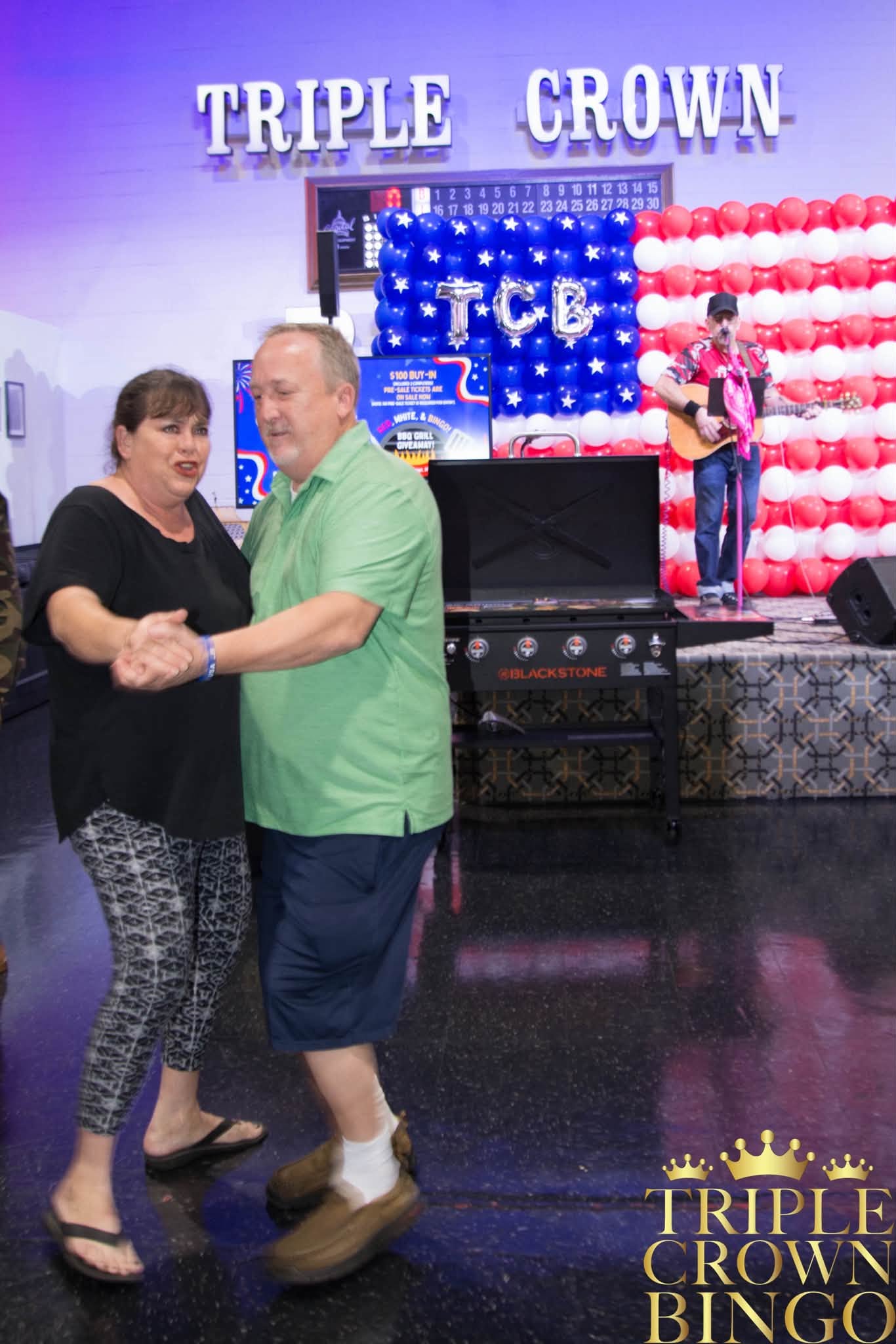
Triple Crown Bingo reflects this middle ground. Its Houston-area experience includes traditional paper bingo as well as electronic bingo units that can automatically daub numbers and manage multiple cards. Players still participate in an in-person venue and share the atmosphere of a live bingo session.
This hybrid model shows that the evolution of bingo is not simply a story of bingo halls being replaced by websites. Traditional and digital features increasingly overlap.
The Social Side of Bingo Still Matters
Convenience is one of online bingo’s strengths, but community remains one of traditional bingo’s strongest advantages. In a bingo hall, conversation, reactions, the bingo caller, food, familiar faces, and shared anticipation all contribute to the experience.
Online bingo attempts to preserve social interaction through virtual communities, live chat, chat hosts, and real-time features. These tools can connect players who are not in the same location, but the experience differs from sitting together in a lively hall.
That difference helps explain why traditional bingo continues even as digital gaming grows. For many players, bingo is both a game and a social activity.
What Has Stayed the Same?
Despite centuries of change, core bingo gameplay remains recognizable. Players still use cards or tickets. Numbers are selected at random. Players look for matches, and a defined winning pattern determines the result.
The tools have changed from physical balls and paper cards to electronic bingo units, RNG technology, digital cards, auto-daub, and mobile interfaces. The central idea has not.
The Future of Bingo
The future of bingo will likely keep blending traditional and digital experiences. Physical bingo halls can use more electronic tools, while online bingo can adopt more live-style presentation, real-time interaction, and community features. Mobile-first design will continue to influence digital bingo.
For players who value the tactile experience, live caller, and community atmosphere, traditional bingo remains distinctive. For those who value automation, digital access, and game variety, online bingo offers a different experience.
At Triple Crown Bingo, the evolution is already visible in the combination of paper bingo and electronic units. It shows why bingo has endured: the format keeps adapting while preserving the simple number-matching excitement at its heart.
FAQs
What is the difference between online bingo and traditional bingo?
Traditional bingo is played in a physical venue with a live caller and usually paper or electronic cards. Online bingo is played through a digital platform using virtual cards, automated or digital number calling, and features such as auto-daub and chat rooms.
How does bingo work?
Players receive a bingo card containing numbers and follow numbers selected at random. When a called number appears on the card, it is marked. The first player to complete the required row, pattern, or full-card condition wins according to the game’s rules.
When was bingo invented?
Modern bingo developed over centuries rather than being invented in one moment. Its roots are commonly traced to an Italian lottery-style game from around 1530. Later versions in France, Germany, Britain, and the United States gradually introduced the cards and rules associated with bingo today.
Where did bingo originate?
Bingo’s earliest widely cited ancestor originated in Italy in the 16th century as a lottery-style number game. It later spread across Europe, where different versions introduced numbered cards and educational uses before the game developed into modern bingo in North America and elsewhere.
How has bingo changed over time?
Bingo evolved from lottery-style number games into social hall entertainment and then digital play. Paper cards, bingo balls, and live callers were joined by electronic units, digital cards, RNG technology, auto-daubing, online bingo rooms, mobile devices, and virtual social features.
Is online bingo the same as regular bingo?
Online bingo uses the same basic number-matching concept as regular bingo, but the experience differs. Cards are digital, numbers may be generated or displayed electronically, and auto-daub can mark matches automatically. Traditional bingo instead emphasizes a physical venue and face-to-face interaction.