

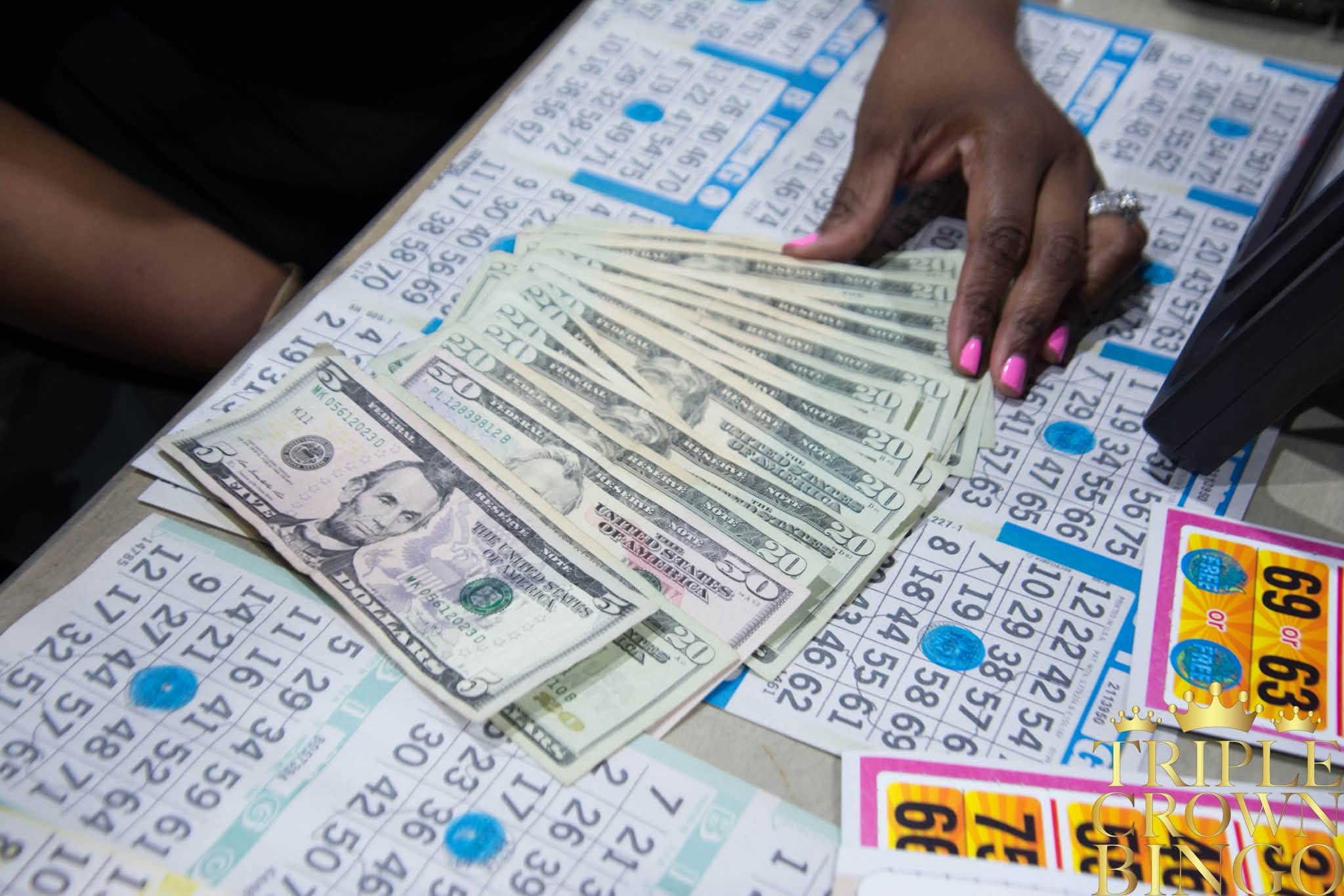
Bingo has changed dramatically over the centuries, but its core idea remains familiar: numbers are drawn, players match them on a card or ticket, and a completed pattern creates a winner. The history of bingo is commonly traced from 16th-century Italian lottery games through France, Germany, the United States, British bingo halls, and eventually online and mobile play.
Where Did Bingo Originate?
The origin of bingo is generally linked to Italy around 1530 and a lottery tradition often identified as Lo Giuoco del Lotto d’Italia. It was not modern bingo, but it established an important structure: numbers were selected by chance and participants compared them with numbered entries.
During the 18th century, lotto-style games spread through Europe. In France, Le Lotto used numbered cards and moved closer to the ticket-based game people would later recognize. Similar games appeared in Germany, where number cards were also adapted for educational purposes. Historical accounts from the Library of Congress similarly trace bingo back to Italian lottery games before its later development across Europe and America.
From Lotto to Beano in America
By the early 20th century, number-matching games had reached fairs and carnivals in the United States. One popular version became known as “beano” because players covered called numbers with dried beans.
Hugh J. Ward helped standardize carnival play during the 1920s. Soon afterward, toy salesman Edwin S. Lowe encountered the game and helped popularize commercial bingo nationally. The familiar story says an excited player shouted “bingo” instead of “beano” during one of Lowe’s games. The exact origin of the word is debated, but Lowe’s role in popularizing modern American bingo is well established. The Smithsonian also records Lowe’s involvement in developing and commercializing Lotto, Beano, and Bingo in the United States.
During the 1930s and 1940s, bingo spread through churches, schools, clubs, and community fundraising events.
How Modern Bingo Cards Took Shape
As the game expanded, regional formats developed. American 75-ball bingo typically uses a 5-by-5 card with B-I-N-G-O across the top, while British-style 90-ball bingo uses tickets with three rows and nine columns.
Winning patterns differ too: 75-ball games may use lines, shapes, or a coverall, while 90-ball bingo commonly awards one line, two lines, or a full house.
The formats look different, but their semantic relationship is clear: a bingo caller or number-drawing system produces random numbers, players mark matching spaces on their bingo cards or tickets, and the required winning pattern completes the game.
The Rise of Bingo Halls
Bingo became more than a number game because it created a shared social experience. Bingo callers, paper tickets, daubers, regular players, and the suspense before a winning call became central parts of bingo hall culture.
In Britain, commercial bingo halls expanded rapidly after the Betting and Gaming Act 1960 changed the legal environment for gaming clubs. The UK Parliament later described the legislation as leading to a significant expansion of commercial gaming through bingo halls and members' clubs.
Many former cinemas were converted into bingo venues, offering large rooms already suited to crowds. By the 1960s, 1970s, and 1980s, bingo halls had become an important form of affordable social entertainment.
This period is often remembered as the golden age of bingo halls. The attraction was not simply the chance of completing a winning line or full house. Players also came for familiar faces, the personality of the caller, shared excitement, and a strong sense of community.
Why Did Traditional Bingo Halls Decline?
The decline of bingo halls was gradual rather than the result of one event. Changing leisure habits, home entertainment, operating costs, regulation, smoking restrictions in some markets, and the growth of digital gaming all affected traditional land-based venues.
Traditional bingo did not disappear. Instead, bingo diversified into paper bingo, electronic bingo in halls, and fully online bingo.
That distinction is important when looking at the evolution of bingo. New technology changed how the game could be delivered without eliminating the traditional bingo hall experience.
When Did Bingo Move Online?
The history of online bingo begins in the mid-1990s. One of the earliest widely documented internet bingo services appeared in 1996, demonstrating that the traditional number-draw format could work online.
Early internet bingo was basic. As connections and software improved, online bingo rooms added digital bingo tickets, automated marking, random number generators, clearer graphics, and chat rooms.
Chat was especially important because bingo had always been a social game. Online communities attempted to recreate some of the conversation and camaraderie associated with physical bingo halls.
Broadband expanded access during the 2000s, and smartphones later accelerated the rise of mobile bingo. Players no longer needed to travel to a scheduled hall session to follow a digital game.
Traditional Bingo vs. Online Bingo
Traditional and online bingo share the same basic structure: numbers are generated, players match them against tickets, and the required winning pattern ends the game. The main difference is delivery.
Traditional bingo centers on a physical hall, live atmosphere, paper cards or electronic units, and face-to-face interaction. Online bingo uses digital tickets, software-based number generation, automatic marking, mobile or desktop screens, and online chat.
Electronic bingo sits between those worlds. It brings digital card management into a live venue while preserving the energy of a room filled with players.
That blend can be seen in today's Texas bingo-hall experience. Triple Crown Bingo offers traditional paper bingo alongside electronic bingo, demonstrating how a modern bingo hall can adopt technology without giving up the communal character that made the game popular.
Why Bingo Has Lasted for Centuries
Bingo's longevity comes from simplicity and adaptability. The equipment has changed from numbered entries and beans to printed cards, bingo daubers, electronic units, random number generators, and smartphone screens, but the fundamental game remains easy to understand.
More importantly, bingo has adapted to how people socialize. It moved from European lottery traditions to American fairs and community events, from British clubs and converted cinemas to dedicated bingo halls, and from desktop computers to mobile devices.
The history of bingo is therefore more than a timeline. It is the story of a social number game that repeatedly changed its setting while preserving the anticipation of the next call. From bingo halls to online play, the technology evolved, but the shared excitement of completing a winning pattern survived.
FAQs
Where did bingo originate?
Bingo is generally traced to an Italian lottery tradition dating to around 1530. Lotto-style number games later spread to France and Germany, where cards and educational variations developed. These European games gradually evolved into the number-matching formats that influenced modern bingo.
Who invented bingo?
No single person invented bingo in its complete modern form. The game evolved from European lotto traditions. In the United States, Hugh J. Ward helped standardize carnival play, while Edwin S. Lowe became especially important for popularizing commercial bingo during the early 20th century.
When was bingo invented?
Bingo's earliest roots are usually dated to around 1530 in Italy, although the recognizable modern game developed much later. Lotto-style games evolved across Europe for centuries before carnival versions became popular in America during the 1920s and modern bingo expanded in the 1930s.
Why is bingo called bingo?
A popular story says Edwin S. Lowe heard an excited player accidentally shout “bingo” instead of “beano” during a game and adopted the name. The exact linguistic origin is debated, however, so the story is best understood as part of bingo folklore.
How old is bingo?
If bingo's history is traced to Italian lottery games from around 1530, its underlying tradition is nearly five centuries old. Modern bingo, with standardized cards and the familiar name, is much younger and developed mainly during the early 20th century.
When did online bingo start?
Online bingo began emerging in the mid-1990s, with one of the earliest widely documented internet bingo services appearing in 1996. As broadband, digital payment systems, smartphones, and mobile apps developed, online bingo became faster, more accessible, and increasingly social through chat-based communities.