

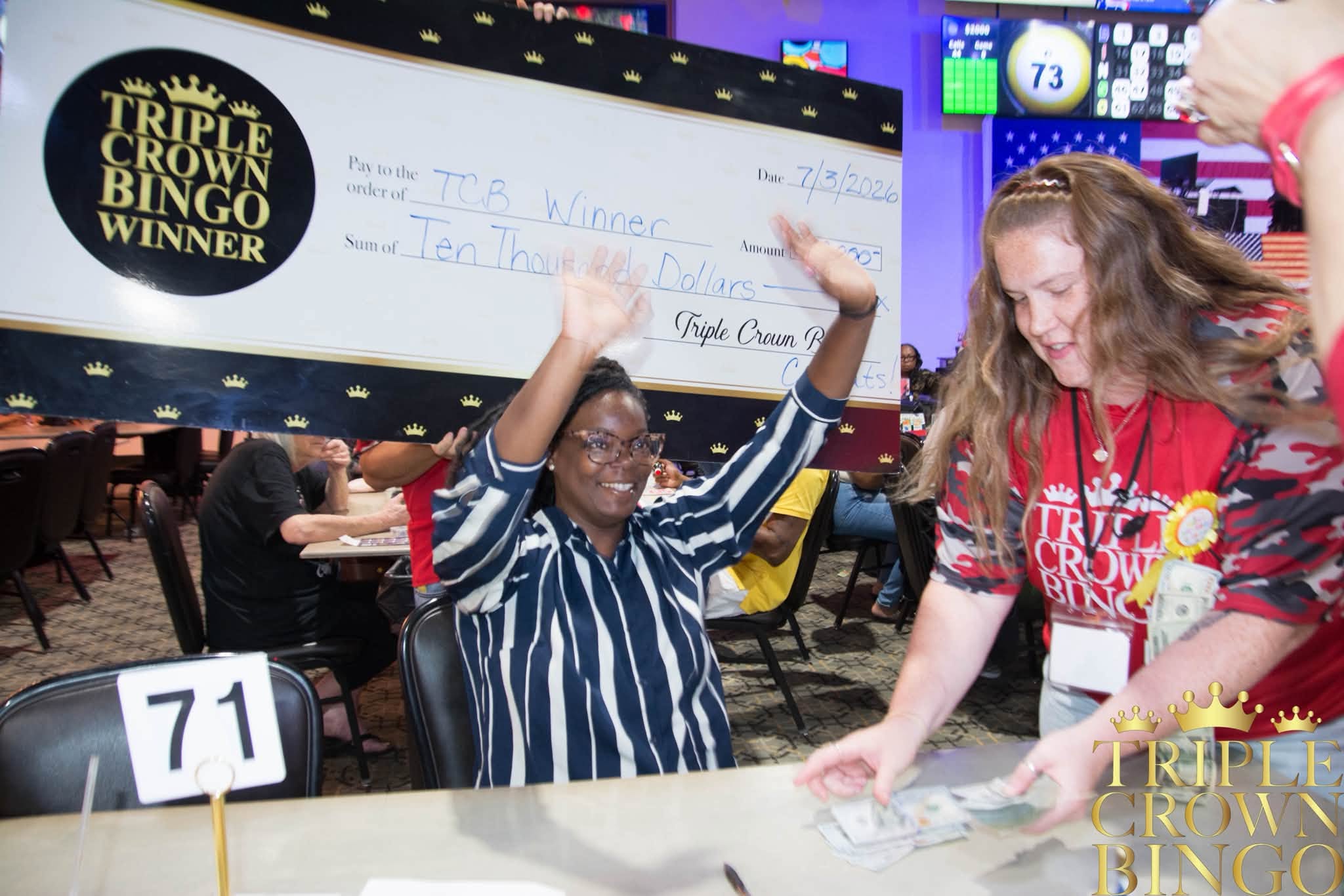
Bingo looks simple: listen for a number, scan a card, mark a match, and hope the next call completes the winning pattern. Yet bingo's psychology is more interesting than the rules suggest. The game combines anticipation, uncertainty, pattern recognition, social connection, reward, routine, and the possibility of an exciting win.
That combination helps explain why people love bingo across generations. Players do not need a complicated strategy or years of practice to participate. They can quickly understand the objective, share the experience with friends or family, and feel the tension build as a card moves closer to completion.
So, why is bingo so popular? Part of the answer is psychological: it gives the brain a clear task, creates suspense around uncertain outcomes, and turns an individual game of chance into a shared social experience.
What Is the Psychology Behind Bingo?
The psychological appeal of bingo comes from several processes happening at once. Players pay attention to called numbers, compare them with their cards, recognize patterns, and monitor progress toward a goal. Every new call also creates uncertainty: the next number may be irrelevant, useful, or the one that completes a winning line.
This creates a simple feedback loop. A number is called, the player checks the card, and the state of the game immediately changes. That fast feedback helps sustain attention without requiring complex decision-making.
Bingo also gives players a visible goal. As an incomplete pattern moves closer to completion, the round feels increasingly active and engaging.
For anyone learning the game for the first time, Triple Crown Bingo also provides a dedicated How to Play Bingo guide explaining the basic rules, cards, and winning patterns.
Anticipation Makes Every Number Matter
Anticipation is central to bingo player psychology. Early in a round, many called numbers may feel routine. As the card fills, however, certain numbers become much more meaningful.
A player who needs only one square for a winning pattern experiences the next call differently from someone whose card is still far from completion. Attention narrows, suspense rises, and each pause before the caller announces the next number can feel important.
Research into gambling psychology and uncertain rewards has found that near-miss experiences can affect motivation and reward anticipation. Much of this research involves other gambling formats rather than bingo specifically, so the findings should not be applied too broadly. Importantly, being “one number away” in bingo does not make that missing number more likely to appear next.
That distinction separates excitement from prediction.
Why Winning Bingo Feels So Rewarding
A bingo win creates more than a financial outcome. It also delivers a feeling of goal completion.
During the game, players repeatedly check whether called numbers fit the required pattern. When the final needed number arrives, uncertainty becomes certainty. The player recognizes the completed pattern, calls “Bingo,” and receives immediate feedback from the room.
That moment can combine surprise, achievement, celebration, and a prize. The build-up is part of what makes the result satisfying.
People may remember not only what they won, but who they were sitting with, how close the game felt, and how everyone around them reacted. This combination of reward anticipation, emotional satisfaction, and shared excitement helps make winning moments memorable.
Bingo Keeps the Mind Engaged
Bingo is a game of chance, but playing it still involves cognitive activity. A typical round can require listening, sustained attention, visual scanning, number recognition, short-term memory, and pattern recognition.
Players hear a number, locate it visually, decide whether it appears on the card, mark it correctly, and continue tracking the winning pattern. Managing several cards increases the amount of information that must be scanned and organized.
Research has explored bingo as a form of cognitive stimulation. One small study involving people with Alzheimer’s disease found improvements on specific naming and word-recognition tasks following bingo-based cognitive stimulation. However, this should not be generalized into a claim that ordinary bingo play prevents cognitive decline or improves everyone's memory.
A more accurate takeaway is that bingo encourages players to remain mentally present through listening, matching, concentration, visual scanning, and pattern tracking.
Why Bingo Is Such a Social Game
The social side of bingo may be just as important as the numbers themselves.
A live bingo session puts people in the same environment with the same immediate goal. Players react to the same calls, experience the same pauses, celebrate wins, talk between games, and often recognize regular faces over time. These repeated shared experiences can build familiarity and a sense of belonging.
Bingo also makes social participation relatively easy. New players do not need advanced skills before joining a table. Because outcomes are based on chance, the environment can remain friendly and approachable even when experienced and first-time players share the same room.
For families, friends, couples, and groups, a bingo night provides a shared focus while leaving room for conversation between rounds.
Triple Crown Bingo's community content similarly emphasizes friendship, laughter, routine, and shared excitement as important parts of the experience. The venue currently has locations at Jones Road in Houston, as well as Humble and Brenham, giving Texas players several places to experience live bingo and its social atmosphere.
Readers interested in this aspect of the game can also explore Why Bingo Is More Than Just a Game: Stories from the Community.
Nostalgia, Familiarity, and the Comfort of Routine
Another reason people enjoy playing bingo is familiarity.
The rhythm of the game is easy to recognize: cards are prepared, the caller begins, numbers arrive one by one, players mark their spaces, and someone eventually completes the required pattern.
Repetition makes the process comfortable without making the result predictable.
For regular players, bingo can become a ritual: meeting the same friends, bringing a familiar dauber, sharing food, sitting in a preferred area, or following a personal routine.
Nostalgia can strengthen this connection. Bingo has long been associated with community gatherings, family activities, fundraising events, and social clubs. Returning to a bingo hall can therefore feel like returning to an atmosphere that is already familiar.
This combination of routine and uncertainty is unusual. Players know how the evening works, but they never know exactly how each game will unfold.
Simple Rules Make Bingo Accessible
One of the biggest reasons for bingo's broad appeal is its low barrier to entry.
The basic idea can be explained in minutes: listen for called numbers, mark matches on a bingo card, follow the required pattern, and call “Bingo” when that pattern is complete.
That simplicity allows beginners to participate alongside regular players without extensive preparation. The rules are easy to understand, while the unpredictable outcome still creates suspense.
Because players are not constantly thinking about complicated strategies or technical rules, more attention can go toward anticipation, conversation, friendly competition, and the shared experience.
This accessibility is also why bingo works well as a multigenerational activity. Different age groups can understand the same fundamental objective and participate together.
Luck, Superstition, and the Illusion of Control
Games of chance often inspire personal rituals.
Bingo players may have favorite seats, lucky daubers, preferred cards, meaningful numbers, or routines they repeat before a game. These traditions can make the experience more personal and entertaining, but they do not change a random draw.
This is where psychological concepts such as the illusion of control and gambler's fallacy become relevant.
The illusion of control occurs when someone feels their actions can influence an outcome actually governed by chance. The gambler's fallacy is the belief that previous random outcomes make a particular future result more likely or “due.”
For example, if a certain bingo number has not appeared for several games, that does not automatically mean it is more likely to appear next.
Research into games of chance has shown that people can develop distorted perceptions around control, randomness, and near-misses, even when those perceptions do not affect the mathematical probability of winning.
Recognizing that randomness remains randomness helps separate fun bingo traditions from mistaken beliefs about predicting results.
Why We Keep Coming Back to Bingo
The enduring appeal of bingo comes from several experiences overlapping at once.
There is anticipation before each number, satisfaction in seeing a pattern develop, cognitive engagement while scanning cards, social connection with other players, nostalgia in familiar routines, and the possibility of a rewarding win.
The rules are simple enough to welcome newcomers, while uncertainty ensures that every session feels different.
That is the psychology of bingo in its simplest form: people enjoy a game that gives them something to watch, something to hope for, and something to share.
For players in Houston and surrounding Texas communities, live bingo adds another layer—the sound of a live caller, reactions across the room, conversations between games, and collective anticipation. Triple Crown Bingo reflects that social experience through in-person bingo, prizes, family-friendly entertainment, and community involvement. Its website also notes that bingo revenue supports participating nonprofit organizations.
Ultimately, bingo lasts because it turns random numbers into meaningful moments. The card is personal, the outcome is uncertain, but the excitement is shared.
FAQs
Why is bingo so popular?
Bingo is popular because it combines simple rules, unpredictable outcomes, social interaction, and the excitement of completing a winning pattern. Players can learn quickly, play with different generations, and enjoy a shared experience without needing advanced skills or complicated strategy.
Why do people love playing bingo?
People love playing bingo because every number creates anticipation while the game also encourages conversation, friendly competition, and a sense of community. The mix of chance, visible progress, familiar routines, and possible rewards keeps each round engaging and emotionally satisfying.
Is bingo good for your brain?
Bingo involves listening, attention, number recognition, visual scanning, short-term memory, and pattern tracking, so it can be mentally engaging. Research has explored bingo as cognitive stimulation, but playing should not be treated as a proven way to prevent cognitive decline.
Why is bingo a social game?
Bingo is social because players share the same calls, suspense, celebrations, and breaks between games. Its simple rules make it easy for newcomers to participate, while regular sessions can help people build familiarity, friendships, group traditions, and a sense of belonging.
Does bingo improve memory and concentration?
Playing bingo requires attention to called numbers, scanning cards, matching information, and tracking a winning pattern. These activities engage concentration and short-term memory, but evidence is not strong enough to claim that ordinary bingo play reliably improves memory for every player.
Why does bingo feel so exciting?
Bingo feels exciting because the outcome is uncertain and each new number can change a player's position. As a card moves closer to a winning pattern, anticipation and suspense increase, making the final call feel especially meaningful when it completes the goal.